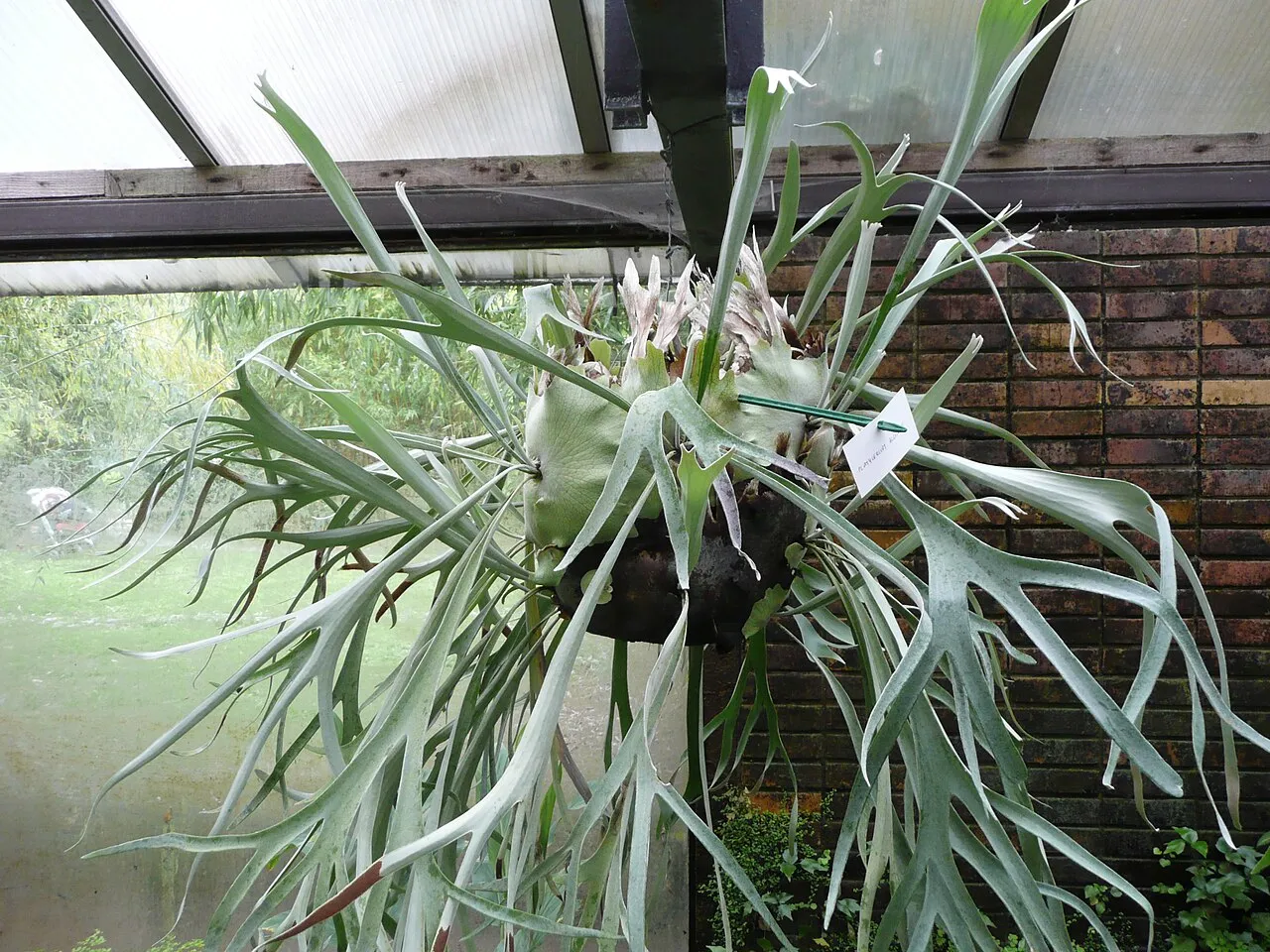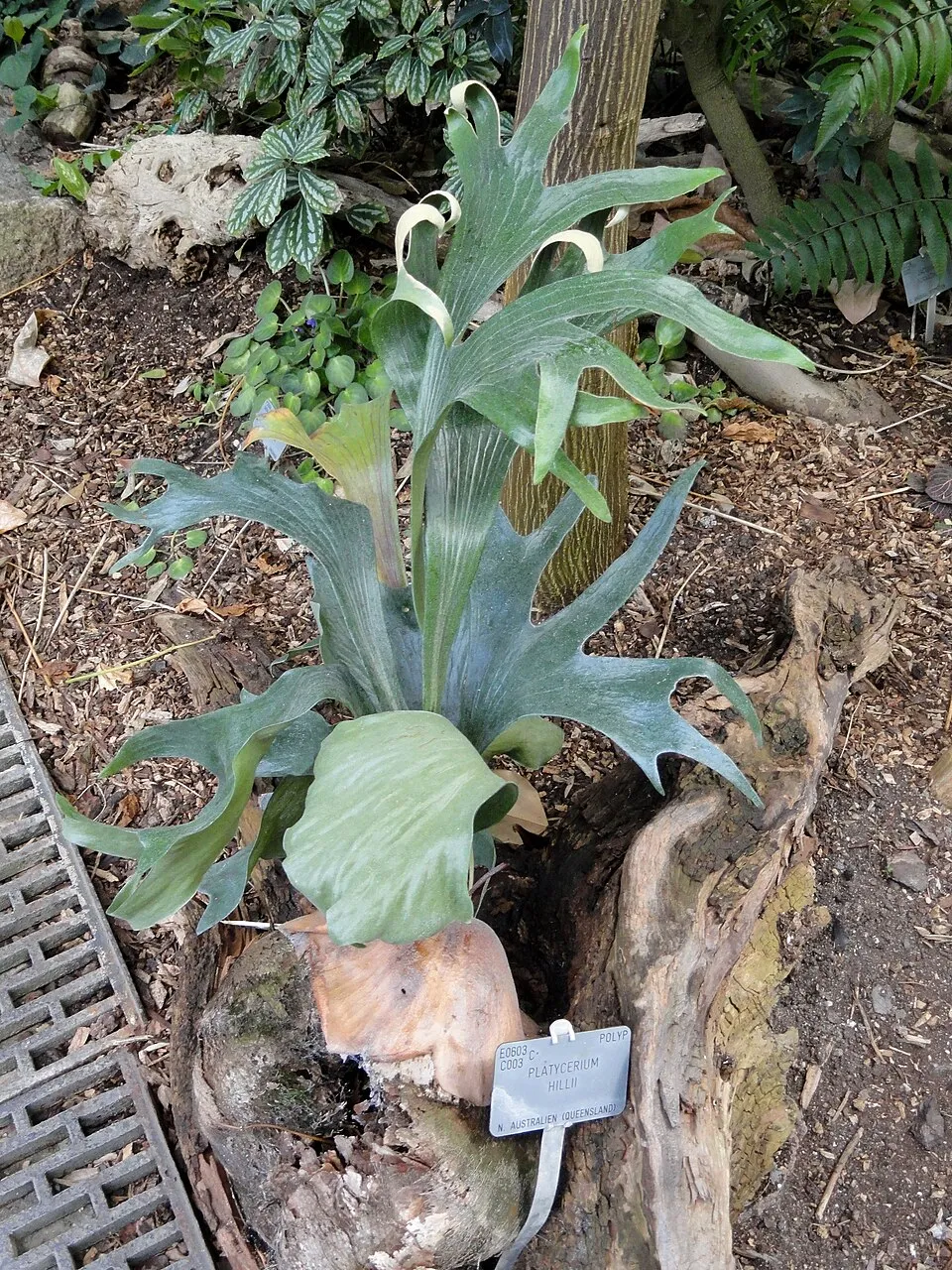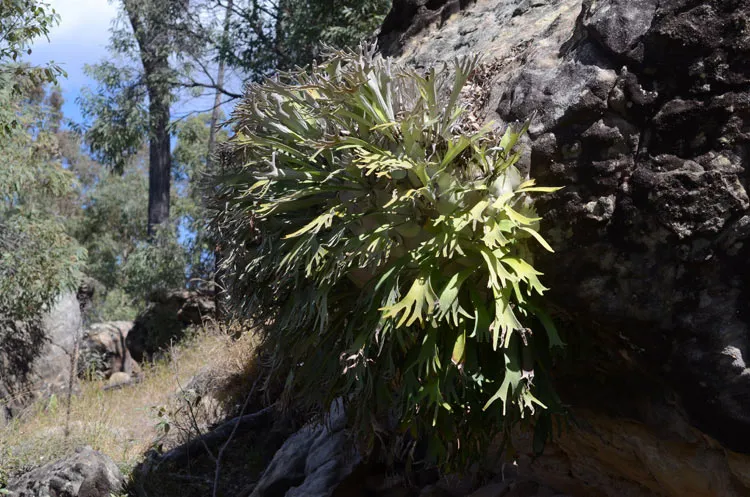
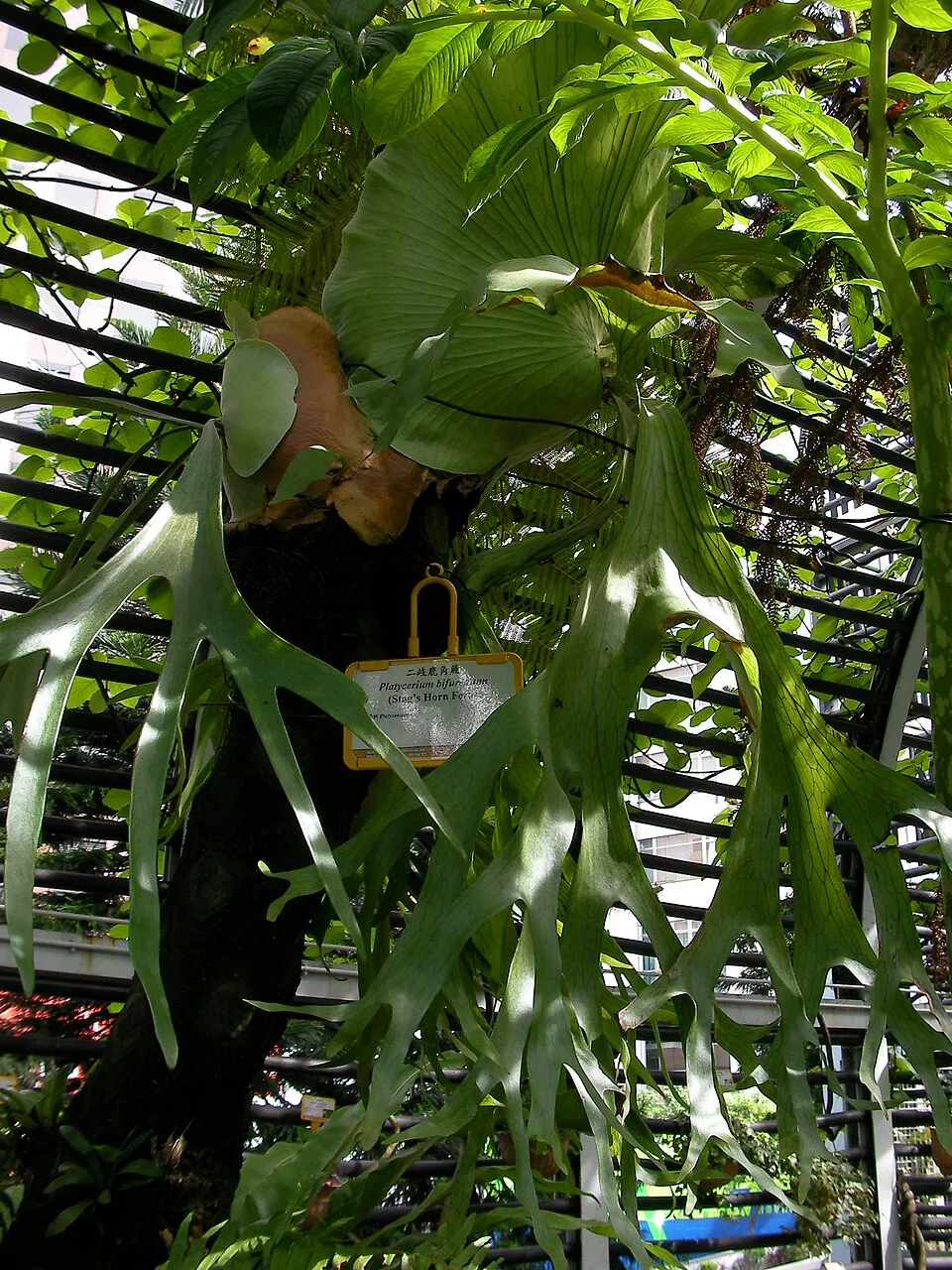
Overview
The most widely cultivated Platycerium worldwide and the earliest species to be developed horticulturally. Native to the hills and low mountains along eastern Australia’s coast, it belongs to Clade B (Asia–Australia) within the P. bifurcatum complex.
Bud type: Multi-bud — produces pups freely.
Key traits: Extremely resilient across a wide range of temperatures, light levels, and humidity. Wild populations show high variability across different climate zones, from subtropical monsoon areas to the edges of tropical rainforest. Closely related to both P. hillii (its nearest relative) and P. veitchii. Its genetic versatility makes it a breeding workhorse — it is a key parent in numerous hybrid lines, including the Mt. Lewis lineage, where wild Australian forms contribute cold hardiness and structural diversity to F1 and F2 crosses.
Range: Eastern Australia — coastal hills and low mountains. Subtropical monsoon to tropical rainforest zones.
Care Tips for P. bifurcatum
P. bifurcatum is the best species for beginners because it tolerates a wider range of mistakes than any other staghorn fern. Here is what you need to know:
Light: Bright indirect light is ideal, but this species handles everything from a few hours of direct morning sun to a moderately shaded porch. Avoid deep shade — fronds will become elongated and floppy. For a detailed breakdown of lighting requirements, see our light guide.
Watering: Water when the mounting medium feels light and dry. In summer, that typically means every 5–7 days for a mounted specimen; in winter, every 10–21 days. The weight test method is the most reliable way to judge — lift the mount, and water only when it feels surprisingly light. Overwatering causes root rot, while underwatering is usually easy to recover from.
Temperature: This is one of the hardiest staghorn ferns. Mature specimens tolerate brief drops to -2°C (28°F) and handle heat up to 40°C (104°F). In USDA zones 9–11, it can live outdoors year-round.
Mounting: Board mounting on cedar or cork bark is the classic display method. P. bifurcatum attaches quickly — expect firm grip within 3–6 months in warm conditions. See our mounting guide for step-by-step instructions.
Fertilizer: Feed monthly during spring and summer with a balanced liquid fertilizer diluted to half strength. Stop fertilizing in winter. For NPK ratios and homemade recipes, see our fertilizer guide.
Propagation: This species produces pups freely from multiple bud points. Once a pup has 2–3 fronds of its own, it can be separated and mounted independently. Our propagation guide covers the process in detail.
How to Tell P. bifurcatum from P. hillii
The two most commonly confused species are P. bifurcatum and P. hillii. Both are Australian, easy to grow, and multi-bud. The key differences:
- Frond forking: P. bifurcatum has wider, more spreading fertile fronds with shallower forks. P. hillii has narrower, more upright fronds with deeper forks.
- Cold hardiness: P. bifurcatum is significantly more cold-tolerant (to -2°C vs 5°C for hillii).
- Trichomes: P. bifurcatum has lighter trichome coverage than P. hillii, which has a distinctly greener appearance.
For a full comparison, see our Staghorn vs Elkhorn Fern guide.
Frequently Asked Questions
Is P. bifurcatum the same as elkhorn fern? The names overlap in everyday use, but botanically, P. bifurcatum is typically called “common staghorn fern” while P. hillii is more commonly called “elkhorn fern” in Australia. In other regions, both names are used interchangeably for P. bifurcatum.
How big does P. bifurcatum get? A single plant on a board mount can reach 60–90 cm across in 3–5 years. Left to colonize, a multi-pup cluster on a tree trunk can exceed 1.5 meters and weigh over 50 kg after a decade.
Can I grow P. bifurcatum outdoors? Yes, in USDA zones 9–11 (minimum temperatures above -2°C). It thrives outdoors on tree trunks, fences, or hanging baskets in frost-free climates. Bring it indoors if frost is expected.
Why are the shield fronds turning brown? Brown shield fronds are completely normal — they are aging out as new ones grow over them. Do not remove brown shield fronds, as they protect the root ball and help anchor the plant. Only if fronds become black and mushy is there a problem (usually overwatering or rot). See our brown tips diagnosis guide.
Need specialized care for this specimen? Check our cultivation guides for mounting, watering, and pest control techniques.