Overview
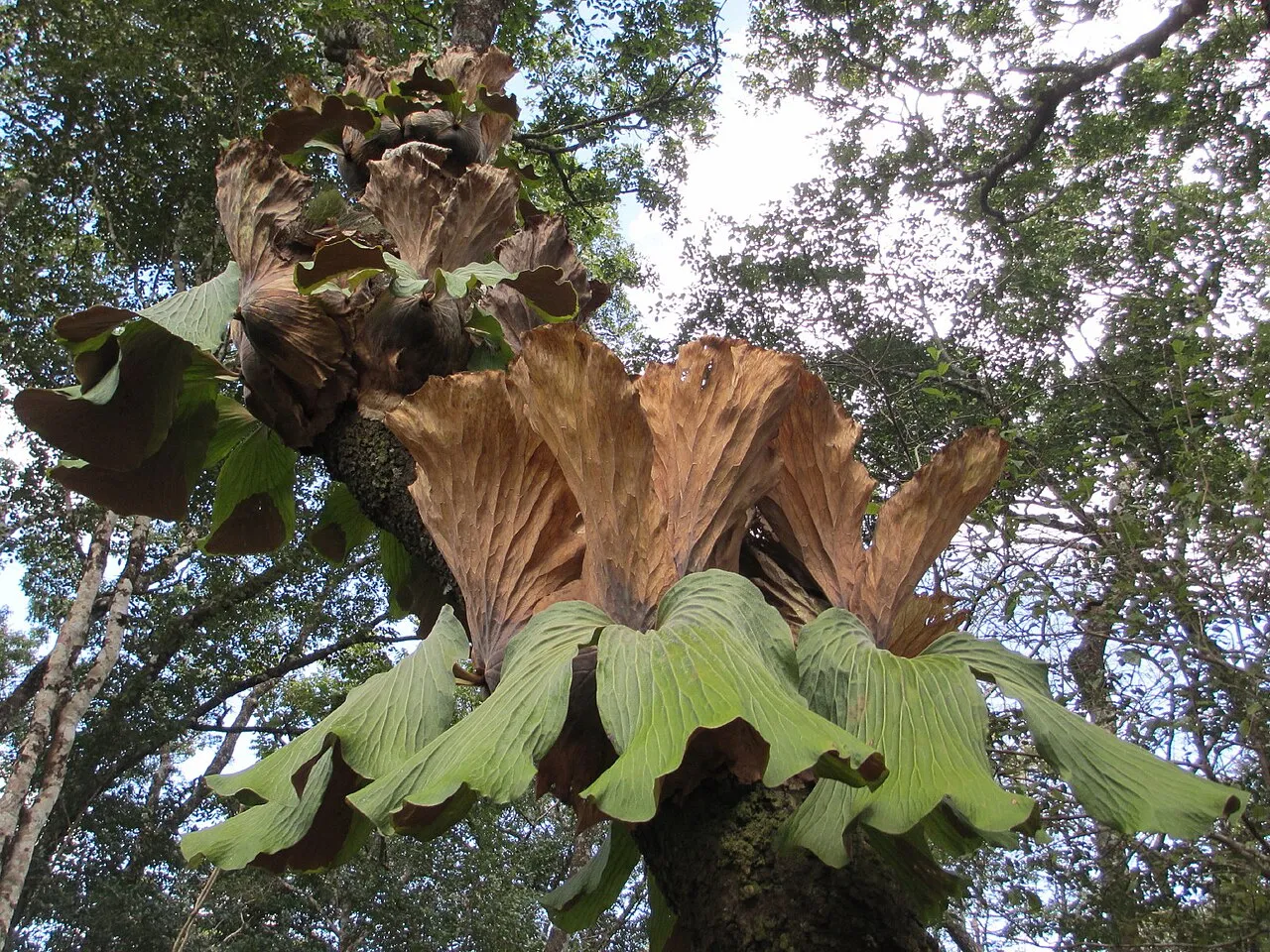
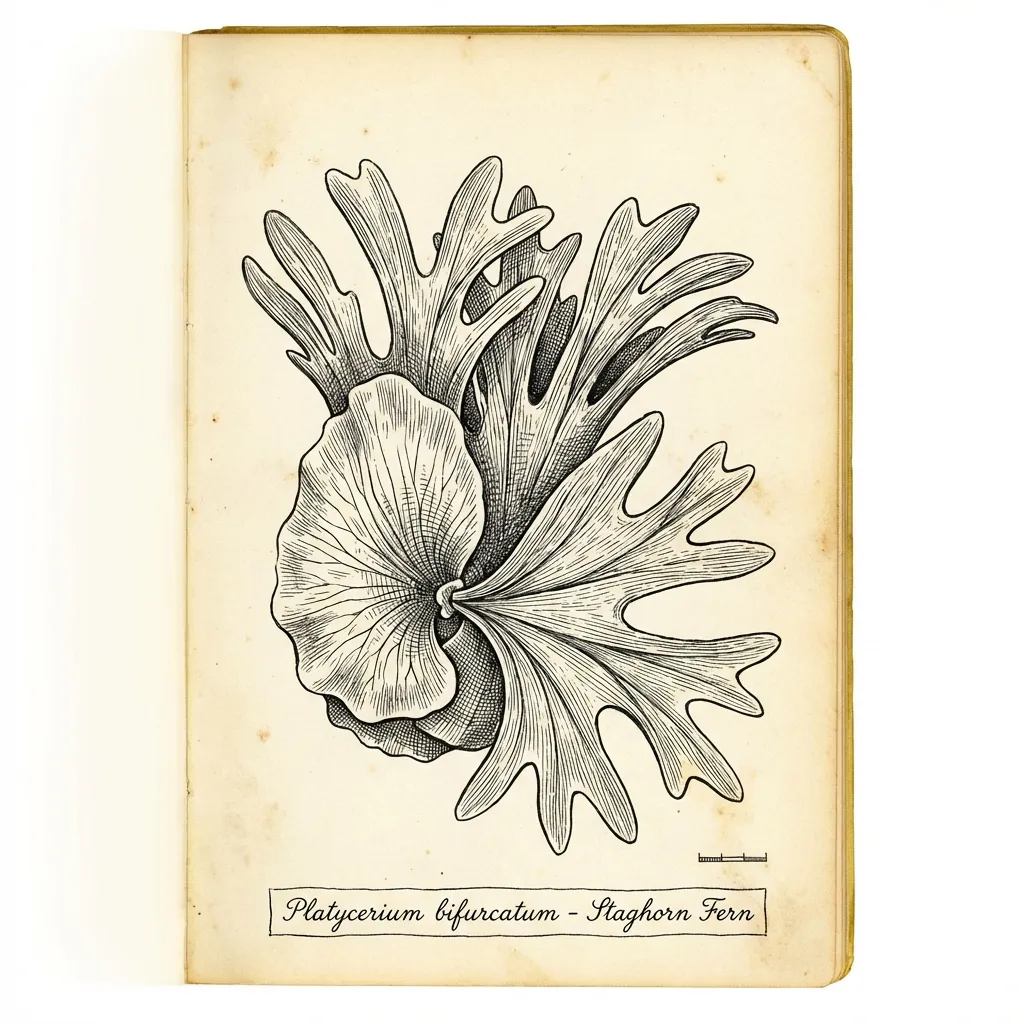
A highly variable species from the mountainous terrain of Java, Bali, and East Timor. Belongs to Clade B (Asia–Australia) within the P. bifurcatum complex alongside P. veitchii, P. hillii, and P. bifurcatum.
Bud type: Multi-bud.
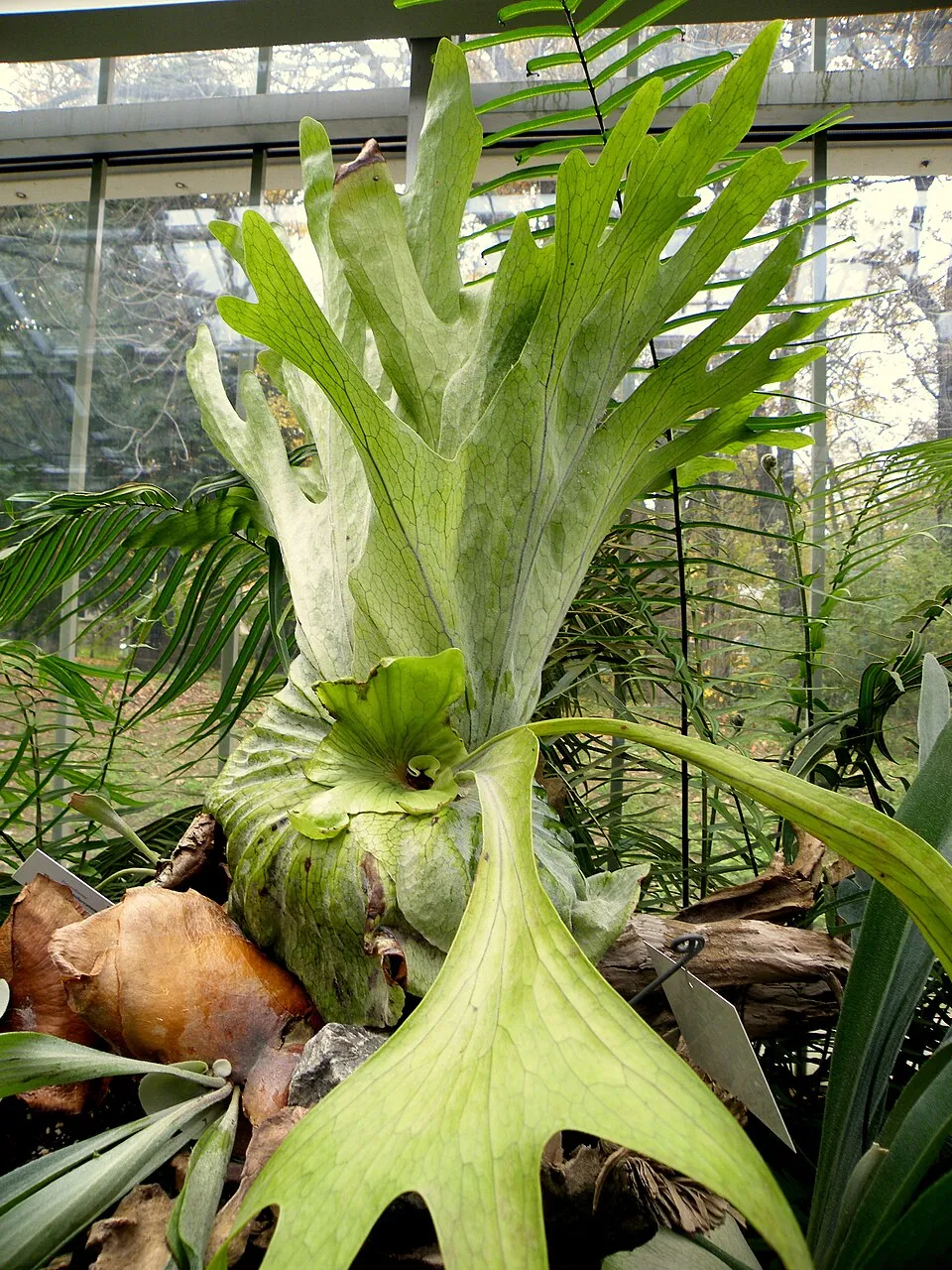
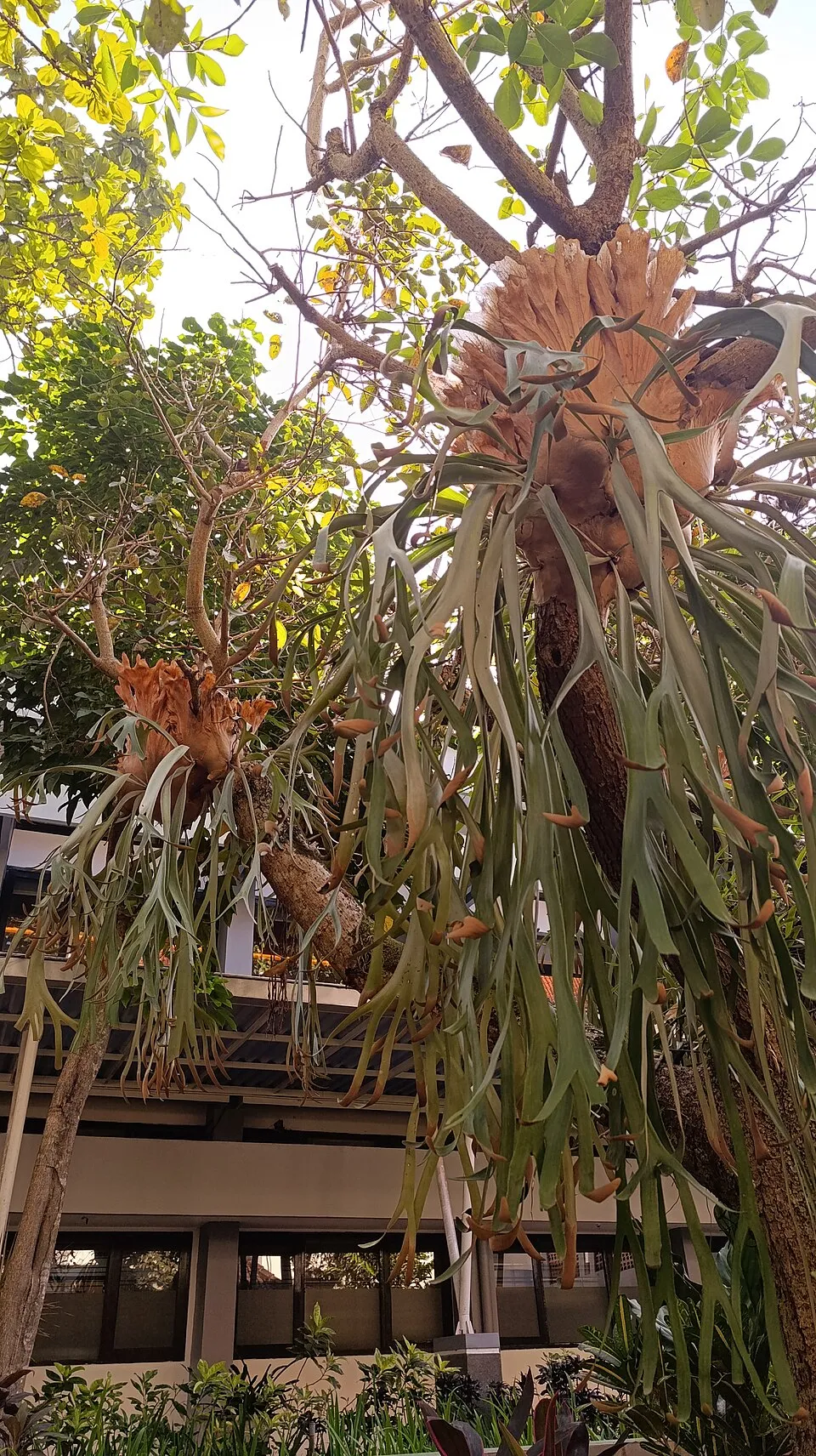
Key traits: Extremely variable — locality forms include the Bali type and Bogor type, each with distinct morphology. Renowned for its dense forking pattern and prominent stellate trichomes on fertile fronds. Although tropical in origin, its specific mountainous range results in average annual temperatures of just 18–26°C, making it more temperature-moderate than expected. A cornerstone parent in modern hybridization programs — contributes fine forking, trichome density, and elegant draping form. Key crosses include the DW (Diversifolium × Willinckii) line producing Pegasus, White Hawk, and OMO, and Lewis × Willinckii crosses yielding the Dwarf Tatsuta direction (Snow Moon, Selene, Blue Sapphire).
Range: Java, Bali, East Timor — mountainous tropical rainforest.
Care Tips for P. willinckii
P. willinckii is a medium-difficulty species that rewards attentive care with spectacular silvery-white fronds. It is a step up from P. bifurcatum but very manageable for intermediate growers.
Light: Bright filtered light — think dappled forest canopy. Avoid direct afternoon sun, which can scorch the delicate trichomes. Morning sun or a bright north/east-facing window is ideal indoors. More trichome-heavy cultivars (like Smurf or Jade Girl) benefit from slightly higher light to maximize silver coloring.
Watering: Allow the top layer of sphagnum moss to dry slightly between waterings — P. willinckii prefers a drier cycle than purely tropical species. In summer, water every 7–10 days; in winter, every 14–21 days. Always use the weight test method to judge.
Temperature: The ideal range is 18–26°C. This species does not like extreme heat above 32°C or cold below 12°C. Its mountainous origin means it prefers moderate, stable temperatures rather than tropical extremes.
Humidity: 50–70% relative humidity is the sweet spot. Below 40%, the trichomes can dry out and frond tips may brown. A humidifier or grouping plants together helps in dry indoor environments.
Mounting: Board or cork bark mounting works well. P. willinckii’s multi-bud habit means it will eventually produce pups, so allow room for expansion. See our mounting guide for materials and techniques.
Fertilizer: Feed every 2–3 weeks in the growing season with a diluted balanced liquid fertilizer. Reduce to monthly or stop entirely in winter. See our fertilizer guide for NPK ratios.
Popular Cultivars
P. willinckii has an unusually rich cultivar scene, especially from Indonesian growers:
- Jade Girl — compact form with dense, silvery-white trichomes and tight forking
- Smurf — blue-green tint with exceptionally fine, narrow frond tips
- Spur — dramatic spurred growth points, highly sought after by collectors
- Celso Tatsuta — wide fronds with pronounced trichome coverage
- Bogor Type — broader fronds typical of specimens from the Bogor Botanical Garden region
For an in-depth look at cultivar differences, see our Platycerium willinckii care guide.
Frequently Asked Questions
Is P. willinckii good for beginners? It is intermediate-level. If you have successfully grown P. bifurcatum for a year or more, you are ready for P. willinckii. The main additional demands are humidity management and temperature stability.
How do I tell different willinckii cultivars apart? Look at three features: frond width (narrow vs wide), trichome density (silver vs green), and forking pattern (tight vs loose). Our willinckii cultivar guide includes side-by-side comparisons.
Why are my willinckii fronds losing their silver color? Silver color comes from trichomes. If fronds turn green, the plant may be in too little light or the trichomes are being washed off by overhead watering. Water at the root ball, not over the fronds.
Can I grow P. willinckii outdoors? Only in consistently warm, humid climates (USDA zones 10b–11). It does not tolerate frost or prolonged temperatures below 12°C. In most regions, it performs best as an indoor plant near a bright window.
Need specialized care for this specimen? Check our cultivation guides for mounting, watering, and pest control techniques.