If you’ve ever grabbed a bag of regular potting soil for your Staghorn Fern, you’ve already made the most common beginner mistake. These epiphytic ferns evolved clinging to tree trunks — not sitting in dirt. Choosing the right growing medium is the single biggest factor in whether your Platycerium thrives or slowly rots.
This guide breaks down every substrate option, gives you tested mix recipes, and helps you match the right medium to your specific growing setup.
Do Staghorn Ferns Even Need Soil?
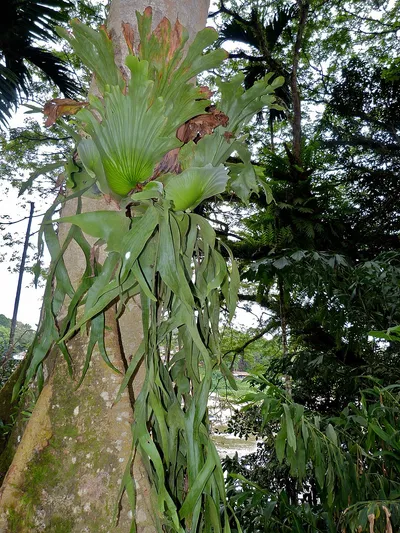
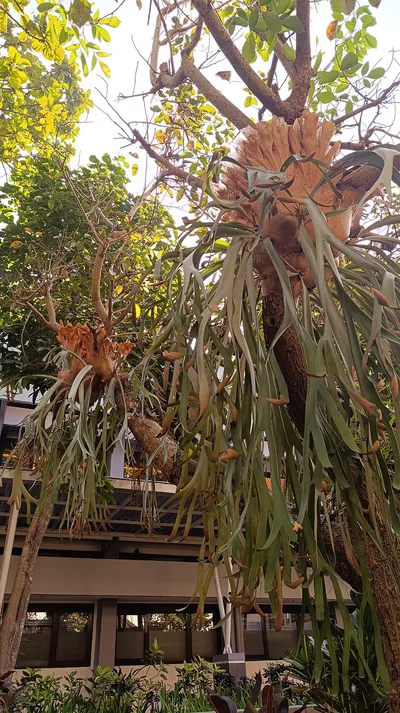
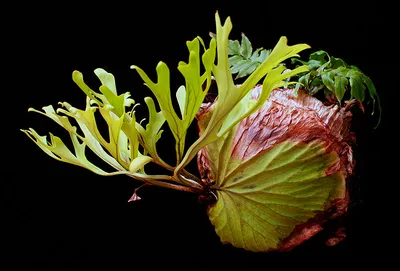
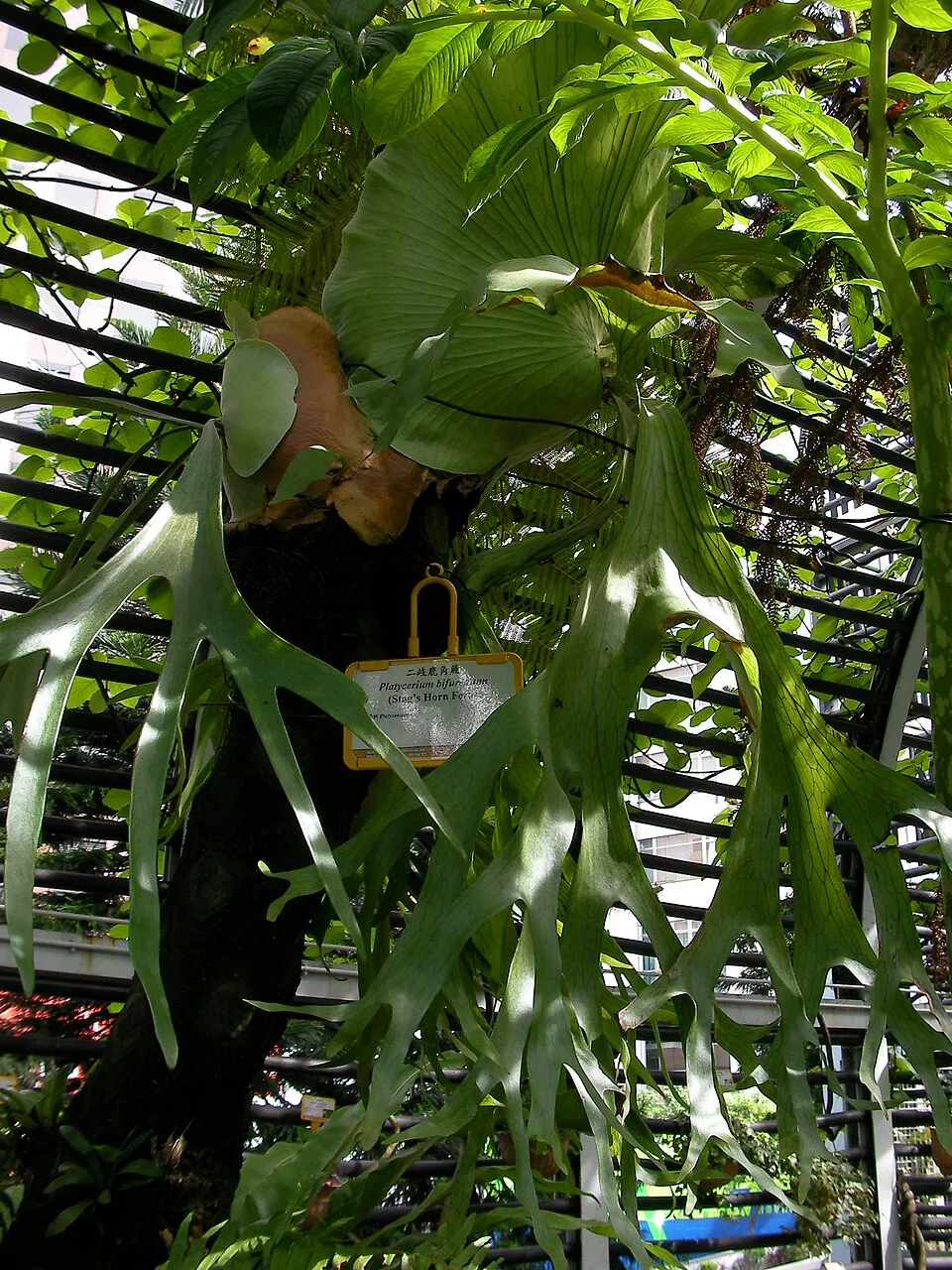
Strictly speaking, no. In nature, Staghorn Ferns are epiphytes — they anchor themselves to tree bark, collecting moisture and nutrients from rain, humidity, and decomposing leaf litter that accumulates behind their shield fronds. Their roots serve primarily for attachment, not for mining nutrients from soil the way terrestrial plants do.
That said, most growers do use some kind of medium to retain moisture around the root zone. The key is choosing a substrate that mimics the conditions on a tropical tree trunk: airy, moisture-retentive, and fast-draining.
Substrate Options Compared
Here’s how the four most common media stack up:
| Medium | Water Retention | Airflow | Nutrient Content | Best For |
|---|---|---|---|---|
| Long-fiber sphagnum moss | High | Moderate | Low | Mounted ferns, beginners |
| Orchid bark mix | Low–Moderate | Excellent | Very low | Potted ferns in humid climates |
| Coco coir + perlite | Moderate–High | Good | Low | Potted ferns, budget-friendly |
| Tree fern fiber | Moderate | Excellent | Low | Premium mounts, rare species |
Long-Fiber Sphagnum Moss
This is the gold standard for mounted Staghorn Ferns. Sphagnum moss can hold up to 20 times its dry weight in water while still maintaining air pockets — exactly what epiphytic roots need.
Pros: Excellent water retention, naturally acidic (pH 4.5–5.5, which Staghorns love), widely available, easy to shape around mounts.
Cons: Decomposes over 1–2 years and compacts, which reduces airflow. Needs periodic replacement. Quality varies — cheap bags of short-fiber “green moss” are not the same thing.
[!IMPORTANT] Always use long-fiber sphagnum moss (sometimes labeled “New Zealand sphagnum”). The short, crumbly stuff sold as “peat moss” compacts too tightly and will suffocate roots.
Orchid Bark Mix
Chunky bark chips (typically fir bark, graded 10–25 mm) provide outstanding drainage and airflow. Many growers use orchid bark as the base for potted Staghorn Ferns, often mixed with other ingredients to boost moisture retention.
Pros: Doesn’t compact, excellent drainage, decomposes very slowly.
Cons: Dries out fast — challenging in low-humidity environments. Provides almost no nutrients.
Coco Coir + Perlite
A sustainable and affordable alternative. Coco coir (coconut husk fiber) retains moisture similarly to sphagnum but is cheaper and more environmentally friendly. Mixed with perlite (20–30% by volume), it maintains good aeration.
Pros: Budget-friendly, sustainable, consistent quality, neutral pH.
Cons: Can retain too much moisture if not mixed with enough perlite. Some brands contain salt residue — rinse before use.
Tree Fern Fiber
Slabs or shredded fiber from tree ferns (Dicksonia or Cyathea species) are the luxury option. Many collectors of rare Platycerium species like P. ridleyi and P. coronarium swear by tree fern mounts because they closely mimic natural bark while resisting decay.
Pros: Extremely durable (lasts 5+ years), excellent airflow, roots grip it firmly.
Cons: Expensive, harder to source, sustainability concerns depending on origin.
Potting Mix Recipes
If you’re growing your Staghorn Fern in a pot or basket (perfectly fine, especially for young plants and pup divisions), here are three proven recipes:
Recipe 1: The Classic (Best for Beginners)
- 50% long-fiber sphagnum moss
- 30% orchid bark (medium grade)
- 20% perlite
This mix drains quickly, holds adequate moisture, and is forgiving of slight overwatering. It’s what we recommend for most indoor growers.
Recipe 2: The Tropical (High-Humidity Environments)
- 50% orchid bark (coarse grade)
- 30% charcoal (horticultural grade)
- 20% perlite
If you live somewhere humid or grow outdoors in a warm climate, you want maximum drainage. This ultra-chunky mix prevents waterlogged roots during the rainy season.
Recipe 3: The Budget Mix
- 50% coco coir (rinsed)
- 25% perlite
- 25% orchid bark (any grade)
A cost-effective option that performs well. Just be vigilant with watering — coco coir can stay wet longer than sphagnum, so always do the weight test before adding more water.
Matching Medium to Setup
Your ideal substrate depends on how you’re growing your fern:
| Setup | Recommended Medium | Why |
|---|---|---|
| Board or plaque mount | Sphagnum moss | Retains moisture between soakings; easy to shape |
| Hanging basket | Recipe 1 (Classic) | Balanced drainage and retention for air exposure |
| Standard pot | Recipe 1 or 3 | Good drainage in a closed container |
| Wire basket / kokedama | Sphagnum moss only | Moss holds shape and stays put through the wire |
| Tree fern slab mount | No additional medium needed | Roots grip the slab directly |
| Outdoor tree mount | Thin layer of sphagnum | Just enough to establish roots before they grip bark |
Common Soil Mistakes
Using Regular Potting Soil
Standard potting mix is too dense for Staghorn Ferns. It retains too much moisture around the roots, blocks airflow, and almost always leads to root rot. If your fern’s shield fronds are turning black and mushy, the growing medium is the first thing to check.
Packing the Medium Too Tightly
Whether you’re using moss or a bark mix, resist the urge to pack it down firmly. The root zone needs air. Arrange the medium loosely — firm enough that it doesn’t fall apart, but airy enough that you can push a finger into it without resistance.
Never Replacing Old Medium
Sphagnum moss breaks down over time. After 12–18 months, it starts to compact into a soggy mass that no longer drains properly. Plan to refresh the moss layer annually — or whenever you notice it’s staying wet for more than a week after watering.
Ignoring pH
Staghorn Ferns prefer slightly acidic conditions (pH 5.5–6.5). Sphagnum moss naturally falls in this range. If you’re using coco coir or bark, occasionally water with a diluted solution of balanced fertilizer to keep conditions optimal.
When to Repot or Remount
Signs that your fern has outgrown its current medium:
- Roots are visibly circling the inside of the pot
- The medium no longer absorbs water properly (water runs straight through or sits on top)
- The moss has turned dark brown and crumbly
- The fern wobbles on its mount
- Brown tips appear despite correct watering
When repotting, gently shake away the old medium and inspect the roots. Healthy roots are white or tan. Trim any black, mushy sections with sterilized scissors, then settle the fern into fresh medium without burying the growing point.
Final Thoughts
The perfect Staghorn Fern substrate doesn’t exist in a bag at the garden center. It’s a custom blend that prioritizes airflow and drainage above all else. Start with the Classic recipe if you’re unsure, and adjust based on your environment — more bark for humid climates, more moss for dry apartments.
Remember: when it comes to Staghorn Fern soil, less is more. These ferns have survived millions of years without any soil at all.