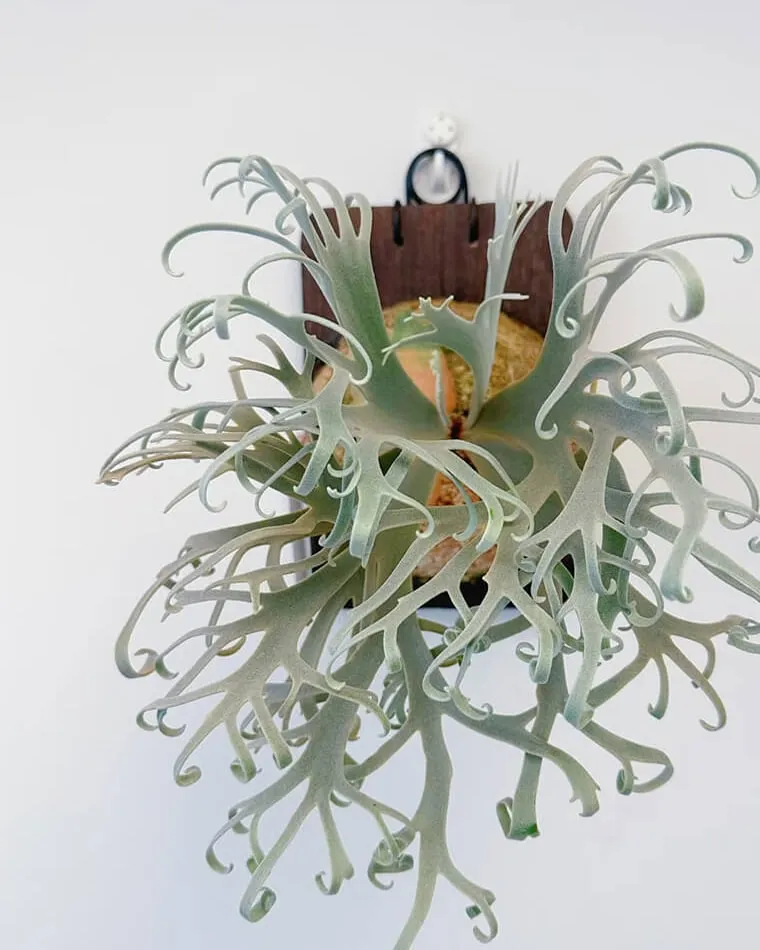
If your staghorn fern’s fronds have taken on a dull, dusty, faintly speckled look this summer — and you spot the faintest silk webbing catching the light between the lobes — you’re likely dealing with spider mites. They’re the classic hot-weather pest for Platycerium, and unlike the slow-building scale infestations that creep up over months, a spider mite population can explode from invisible to plant-threatening in a couple of weeks of dry July heat. This guide covers how to identify spider mites on a staghorn fern, a treatment protocol that actually breaks the breeding cycle, and — most importantly — why raising humidity is your single best defence.
If you haven’t confirmed the culprit yet, start with our broader staghorn fern pest guide to rule out scale, mealybugs, and thrips first. Spider mites leave a very different signature from those, so come back here once you’ve spotted webbing or stippling.
Why Spider Mites Peak in Summer
Spider mites aren’t insects — they’re tiny arachnids, and their biology is tuned to hot, dry conditions. According to Colorado State University Extension, populations build fastest when temperatures sit in the 80s°F and humidity drops below 50%. Under those conditions a single mite can complete its life cycle from egg to breeding adult in under a week, which is why an infestation seems to appear overnight.
Two things make July and August the danger window for staghorn ferns specifically:
- Dry air. Air conditioning and summer heat both strip moisture from indoor air, dropping humidity well below the 60%+ that a staghorn prefers — and straight into the mites’ sweet spot.
- Stressed plants. Purdue Extension notes that water-stressed plants are more attractive and vulnerable to mites. A fern that’s dried out from summer heat is essentially advertising itself.
This is the mirror image of the conditions that cause summer sunburn and heat stress — the same hot, dry spell that scorches fronds also invites the mites in. If your fern is showing both, treat the environment, not just the symptoms.
What Spider Mites Look Like on a Staghorn Fern
The mites are barely visible to the naked eye, so you’ll almost always spot the damage before the animal. Here’s how to tell spider mites apart from the other pests staghorns get:
| Sign | Spider mites | Scale | Mealybugs |
|---|---|---|---|
| Webbing | Fine silk between lobes (heavy cases) | None | None |
| Surface damage | Pale stippling, dusty/faded look | Yellowing near bumps | Yellowing, distortion |
| The pest | Tiny moving dots, undersides | Hard immobile bumps | White cottony fluff |
| Location | Frond undersides | Frond ribs, behind shield | Frond crevices, base |
| Tissue test | Rust-coloured smears | No smear | White smear |
The tissue test is the fastest confirmation: wipe the underside of a fertile frond with a white paper tissue. If mites are present, you’ll see thin rust- or brown-coloured streaks where you’ve crushed them. Fine webbing strung between the antler-like lobes is a later, unmistakable sign — by the time you see obvious webs, the population is already large and you need to act immediately.
How to Treat Spider Mites on a Staghorn Fern
The goal is a three-part sequence: isolate, knock down, then treat the survivors across the full two-week egg-hatch cycle. Skipping the follow-up treatments is the number-one reason mites come back.
Step 1 — Isolate
Move the affected fern well away from your other plants. Mites spread easily on air currents and brushing foliage, and a staghorn in a group planting can seed an entire collection within days.
Step 2 — Knock the population down with water
Both Oregon State and University of Minnesota Extension recommend a forceful jet of lukewarm water as the first line of attack — it physically dislodges mites, eggs, and webbing. Take the fern to a sink, shower, or hose and spray thoroughly over both sides of every frond. For a mounted fern this doubles as a good soak; just let it drain fully afterward so the moss doesn’t stay waterlogged (see our root rot guide for why drainage matters).
Step 3 — Treat the survivors
After the water blast, spray with neem oil or insecticidal soap, coating the frond undersides where mites shelter. A simple DIY option is 1 tablespoon of mild liquid soap per quart of water. Repeat every 3 days for two weeks — this timing is critical because sprays don’t reliably kill eggs, so you’re targeting each new batch of mites as it hatches.
| Treatment | How it works | Frequency |
|---|---|---|
| Water blast | Physically removes mites & webs | Start of treatment, then weekly |
| Insecticidal soap | Contact kill on soft-bodied mites | Every 3 days × 2 weeks |
| Neem oil | Contact kill + disrupts breeding | Every 3 days × 2 weeks |
How to Prevent Spider Mites Coming Back
Because mites need dry heat to breed, prevention is almost entirely about humidity. This is the same fix that keeps a staghorn thriving in summer generally:
- Raise humidity above 60%. Group plants, run a humidifier, or mist the area around the fern. Higher humidity is a genuine natural control — it slows mite reproduction dramatically. Our staghorn fern humidity guide covers exactly how to hit and hold that range indoors.
- Never let the fern dry to stress. Keep the moss evenly moist through the hot months; check our watering guide for summer frequency. A well-hydrated fern is a far less attractive target.
- Inspect weekly through summer. Run the tissue test on frond undersides every week from June through September. Catching mites at the first faint stippling means one water blast and a single spray, instead of a month-long war.
- Quarantine new plants. Most infestations arrive on a newly bought plant. Isolate any newcomer for two weeks and inspect it before it joins your collection.
Get the humidity right and spider mites largely solve themselves — you’re removing the hot, dry conditions the whole infestation depends on. For the full picture of keeping a Platycerium healthy through the hottest weeks of the year, pair this with our summer heat stress guide.