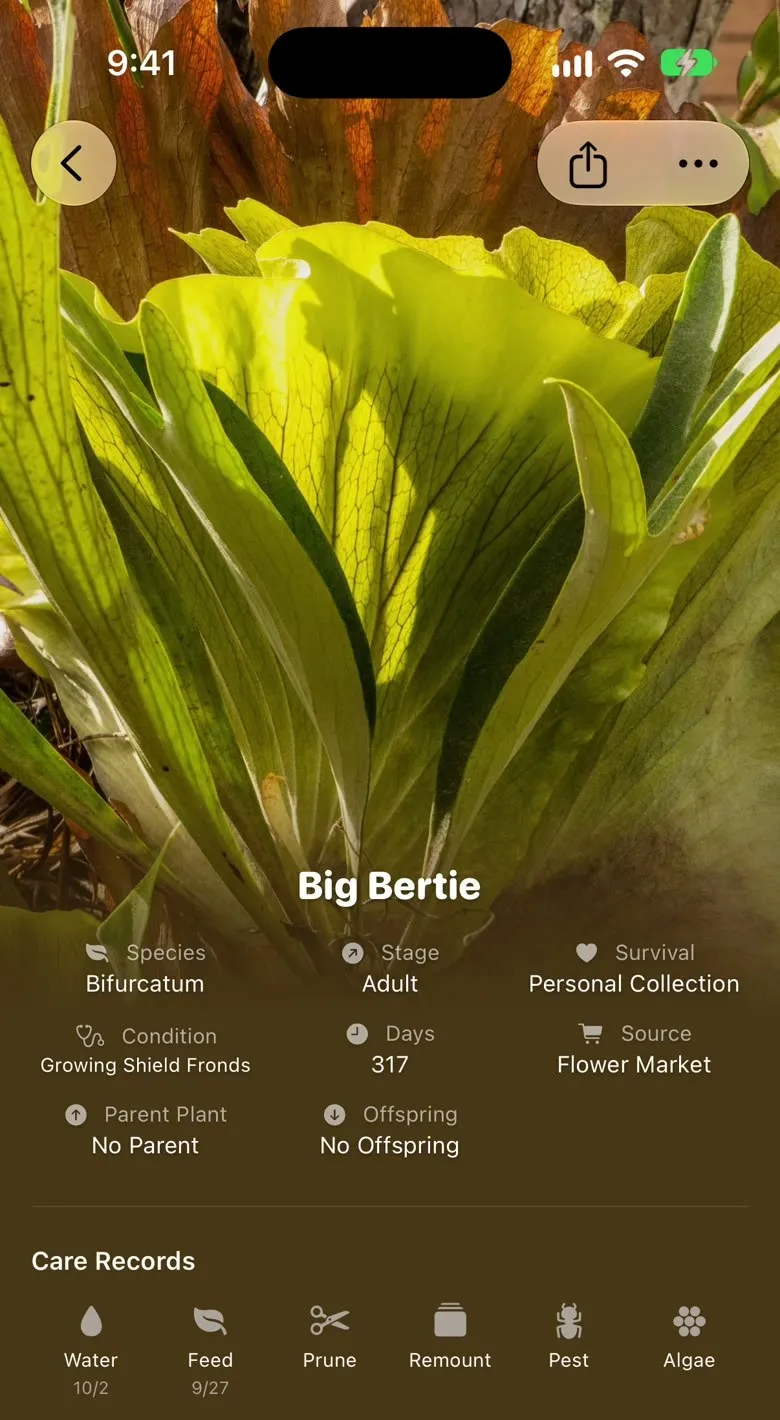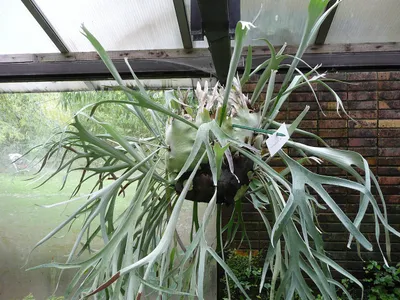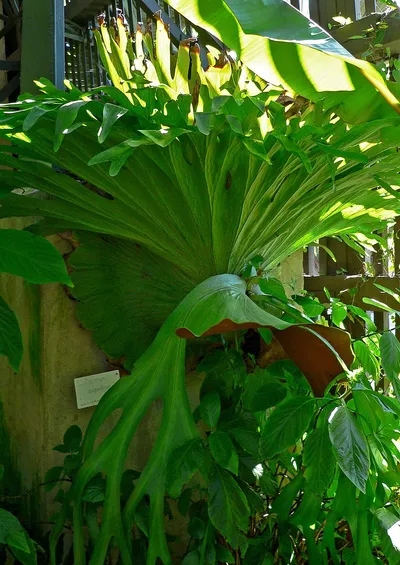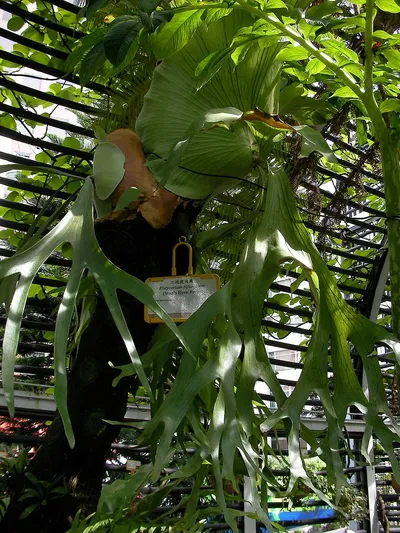
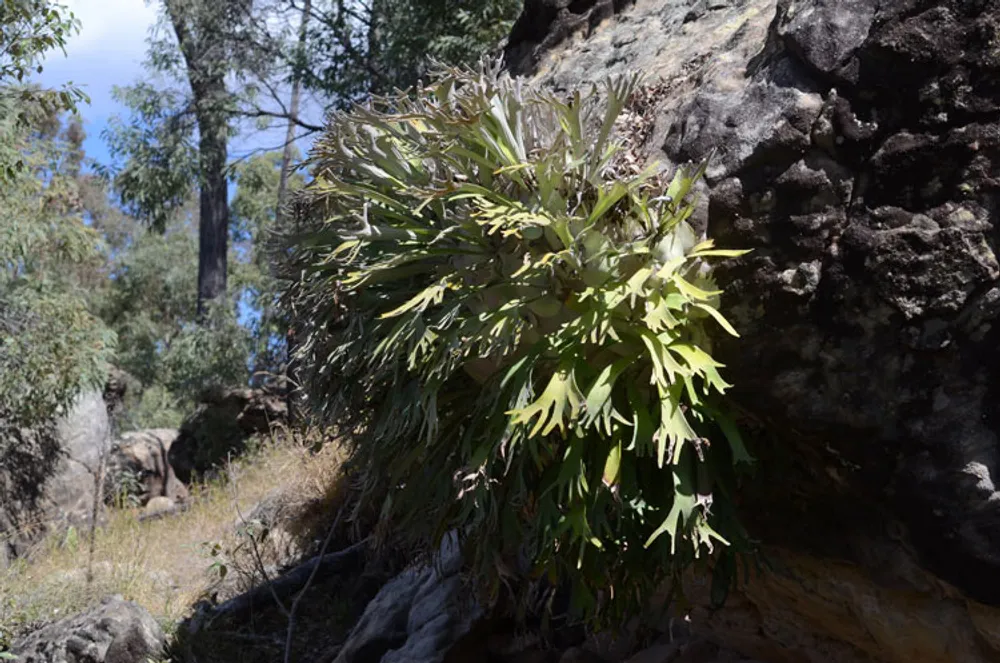
Martha Stewart’s hanging staghorn fern stole the spotlight on her farm terrace this spring — and for good reason. Few houseplants make the leap from windowsill to outdoor statement piece as dramatically as Platycerium. With its antler-like fronds and prehistoric silhouette, a staghorn fern on a shaded porch or mounted on an oak tree is the kind of bold, living decor that stops people mid-conversation.
But growing staghorn ferns outdoors isn’t the same as keeping them inside. Sunlight is stronger, wind dries fronds faster, and one cold night can end the experiment. This guide covers everything you need to know to grow Platycerium outside — from the right species to choose, to watering in summer heat, to knowing when it’s time to bring them back in.
Which Species Thrive Outdoors?
Not all staghorn ferns are suited for outdoor life. Species vary dramatically in cold tolerance, sun resistance, and wind hardiness. Choose the right one and you’ll be rewarded; choose wrong and you’ll be nursing frost damage.
| Species | USDA Zones | Min. Temp (Brief) | Min. Temp (Sustained) | Sun Tolerance | Best For |
|---|---|---|---|---|---|
| P. veitchii | 8b–12 | 28°F (−2°C) | 35°F (2°C) | High | Full-sun gardens, dry climates |
| P. bifurcatum | 9–12 | 30°F (−1°C) | 40°F (4°C) | Moderate | Beginners, porch/patio |
| P. hillii | 9–12 | 35°F (2°C) | 45°F (7°C) | Moderate | Coastal gardens, filtered light |
| P. superbum | 10–12 | 40°F (4°C) | 50°F (10°C) | Low–moderate | Sheltered patios, tree mounting |
| P. grande | 10–12 | 45°F (7°C) | 55°F (13°C) | Low | Tropical gardens only |
| P. elephantotis | 10–12 | 50°F (10°C) | 60°F (16°C) | Low | Humid tropics, shade gardens |
| P. coronarium | 11–12 | 55°F (13°C) | 65°F (18°C) | Low | Tropical climates only |
| P. ridleyi | 11–12 | 55°F (13°C) | 65°F (18°C) | Low | Hot tropical only |
| P. wandae | 11–12 | 55°F (13°C) | 65°F (18°C) | Low | Hot tropical only |
If you’re in Zones 9–10, stick with P. bifurcatum or P. veitchii. They’re the workhorses of outdoor staghorn growing.
If you’re in Zone 11–12 (South Florida, Hawaii, tropical regions), almost any species will thrive year-round.
For a deeper dive into species differences, see our Platycerium species comparison.
[!IMPORTANT] Cold-hardiness ratings assume a dry plant. Wet moss + cold = root rot and death. If frost is forecast, skip watering for a day or two beforehand.
When to Move Your Fern Outside
Spring is the ideal time — but timing matters. The 2026 houseplant trend of using plants as bold statement pieces rather than background decor has more growers than ever experimenting with outdoor staghorn displays.
The 50°F Rule
Wait until nighttime temperatures consistently stay above 50°F (10°C) before moving any staghorn fern outside. For most of the US, this means:
- Zones 9–10: Late March to mid-April
- Zones 7–8: Late April to mid-May
- Zones 5–6: Late May to early June
Check your local last-frost date and add two weeks for safety.
Acclimate Gradually
Never move a staghorn fern from indoor conditions to full outdoor exposure in one step. The UV intensity outside is 5–10 times stronger than a bright window, and sudden exposure causes sunburn.
7-day acclimation schedule:
- Days 1–2: Place in deep shade (north side of house, under dense tree canopy)
- Days 3–4: Move to bright shade (dappled light under a tree)
- Days 5–6: Filtered morning sun with afternoon shade
- Day 7+: Final position — choose based on species (see table above)
If you already covered spring wake-up basics, outdoor transition is the natural next step.
Choosing the Right Outdoor Location
Light
Most staghorn ferns want bright, indirect light or filtered sun outdoors. Think: under a tree canopy, on a covered porch, or on the east side of a building that gets morning sun and afternoon shade.
P. veitchii is the exception — this Australian species actually performs better with a few hours of direct sun, developing its signature silver trichomes as a natural sunscreen.
Avoid:
- Full afternoon sun (especially in Zones 9–10 where summer temps exceed 95°F)
- Positions with reflected heat from concrete or south-facing walls
- Deep, airless shade with no air movement
If your only outdoor space gets full sun, use 50–70% shade cloth stretched above the mounting area. This mimics the canopy filtering that staghorn ferns evolved under.
Wind Protection
Wind is the invisible enemy of outdoor staghorn ferns. It rapidly dehydrates fronds, destabilizes mounted plants, and desiccates moss. Position your fern where it gets gentle air circulation but is shielded from strong gusts — behind a fence, against a house wall, or in the lee of taller plants.
Mounting Options for Outdoors
Outdoor display is where staghorn ferns truly shine. Options include:
- Tree mounting: The most natural look. Mount directly onto a living tree trunk using fishing line or pantyhose (temporary — roots will grip the bark). Oaks, palms, and mature citrus work well. See our mounting guide for technique
- Hanging baskets: Wire baskets lined with sphagnum moss, hung from porch rafters or tree branches — exactly how Martha Stewart displays hers
- Board mounts on exterior walls: Cedar or rot-resistant wood, mounted on a sheltered wall under eaves
- Wooden fence displays: Attach board-mounted ferns to a fence for a living art gallery effect
For more hanging and display ideas, check our dedicated guide.
Outdoor Watering Strategy
Watering outdoors is fundamentally different from indoors. Heat, wind, and sun cause moisture to evaporate far faster than you’d expect.
Seasonal Watering Schedule
| Season | Temperature Range | Frequency | Method |
|---|---|---|---|
| Spring | 50–75°F (10–24°C) | 1–2× per week | Soak or hose |
| Summer | 75–95°F (24–35°C) | 2–3× per week | Deep soak + misting |
| Heat wave | Above 95°F (35°C) | Daily | Heavy soak at dawn |
| Fall | 50–70°F (10–21°C) | 1× per week | Light soak |
| Mild winter (Zone 10+) | 40–60°F (4–15°C) | Every 10–14 days | Light moisture only |
Morning watering is critical. Water before 10 AM so the crown and root zone dry before evening. A staghorn fern that stays wet overnight in cool temperatures is a recipe for crown rot — the #1 killer of outdoor staghorns.
A good test: feel the weight of the mount. A well-soaked staghorn mount is noticeably heavy. When it feels light, it’s time to water.
For deeper watering principles, see our watering schedule guide.
Rainwater Is a Bonus
One major advantage of outdoor growing: natural rainfall. Staghorn ferns love rainwater — it’s slightly acidic (pH ~5.6), mineral-free, and delivers nitrogen in trace amounts. During rainy periods, you may not need to water at all. Just make sure the moss doesn’t stay saturated for days on end.
Feeding Outdoor Ferns
Outdoor staghorn ferns grow faster than indoor ones, thanks to superior light, humidity, and air circulation. They’ll need more food to keep up.
- April–September: Feed every 2 weeks with a balanced liquid fertilizer (20-20-20) at half-strength
- October–March: Stop feeding entirely (or monthly at quarter-strength in tropical zones)
A popular trick among collectors: tuck a slow-release banana peel behind the shield frond. As it decomposes, it delivers potassium and a small nitrogen boost. It’s unscientific but widely used — and research from the University of Florida confirms that organic matter behind the shield supports healthy root development.
For a complete breakdown, see our fertilizer guide.
Pests and Problems Outdoors
Outdoor environments introduce pest pressures you don’t get inside.
Common Outdoor Pests
- Scale insects: The most common outdoor staghorn pest. They cluster on the underside of fronds and along the midrib. Treat with neem oil spray or rubbing alcohol on a cotton swab
- Slugs and snails: Attracted to wet moss, especially at night. Copper tape around the mount or a ring of diatomaceous earth deters them
- Mealybugs: White cottony masses in frond crevices. Spray with insecticidal soap
- Caterpillars: Occasional in garden settings. Hand-pick or use Bt (Bacillus thuringiensis)
For a full pest management approach, read our pest control guide.
Weather Damage
- Sunburn: Bleached or brown patches on fronds, especially after sudden exposure. Move to more shade and trim damaged tips. See our sunburn and heat stress guide
- Frost and cold damage: Black, mushy or translucent fronds a few days after a cold night. Check whether the growing point is still firm before giving up. See our cold damage guide
- Wind damage: Torn or broken fronds. Improve wind protection; damaged fronds won’t heal but new ones will replace them
- Hail: Can shred fronds. Move portable mounts under cover when storms are forecast
Climate-Specific Tips
Hot & Humid (Florida, Gulf Coast, Hawaii — Zones 10–11)
This is staghorn paradise. Most species can live outdoors year-round. Focus on air circulation to prevent fungal issues. Avoid mounting in corners where air stagnates.
Hot & Dry (Southern California, Arizona — Zones 9–10)
P. veitchii is your best bet — it’s naturally adapted to dry conditions in Australia. For other species, supplement humidity with regular misting or a nearby drip irrigation line. Shade cloth is essential.
Mild & Wet (Pacific Northwest — Zones 8–9)
The summer months are excellent for outdoor growing, but the cool, damp winters are deadly. Bring ferns inside by early October. During outdoor months, ensure excellent drainage — moss that stays constantly wet invites rot.
Cold Winters (Zones 5–8)
Treat outdoor time as a seasonal summer vacation — May through September in most areas. The growth boost is still significant. Pair this with spring care routines for the best results.
Bringing Them Back Inside
Unless you’re in a frost-free zone, you’ll need to reverse the transition before cold weather arrives.
When to Move Back In
Use the 50°F rule in reverse: when nighttime temperatures drop below 50°F (10°C) consistently, it’s time. Don’t wait for the first frost — by then, you’ve already stressed the plant. Start the reverse transition 2–3 weeks before your first expected frost.
Transition Checklist
- Inspect for pests — check every frond surface, behind the shield, and in the moss. Treat any hitchhikers before they come inside. See our pest control guide for treatment details
- Flush the moss with a strong stream of water to dislodge insect eggs and debris
- Trim dead fronds — remove anything brown or crispy, but leave dry shield fronds intact (they protect roots)
- Reduce outdoor light gradually — move to deeper shade for a week to pre-adjust to lower indoor light levels
- Acclimate in reverse — spend 3–5 days in a bright covered area (like a garage with windows) before moving to the final indoor position
- Reduce watering — indoor conditions are drier but the plant is slowing down. Overwatering in fall is the #2 mistake after frost exposure
- Place in the brightest indoor spot available — near a south-facing window or under a grow light
If your fern struggled outside, don’t panic. Check our dying fern rescue guide for recovery steps.
Year-Round Outdoor Growing (Zones 10–12)
If you live in South Florida, Hawaii, coastal Southern California, or a similarly frost-free climate, congratulations — your staghorn ferns can stay outside permanently. Many of the most spectacular specimens in the world are permanently tree-mounted in these zones.
Tips for year-round outdoor success:
- Choose a host tree wisely: Live oaks, palms, and banyans are classics. Avoid trees that shed bark (eucalyptus) or have toxic sap
- Let the fern attach naturally: After mounting, the roots will eventually grip the bark. This can take 1–2 years. Once attached, the fern is largely self-sufficient
- Watch for hurricanes: In hurricane-prone areas, large specimens can become projectiles. Secure mounts before storm season
- Annual check-up: Once a year, check that the moss hasn’t completely decomposed and the mount is still secure
Why Outdoor Growing Matters
Recent research published by the Royal Society documented how staghorn fern colonies develop communal structures with shared water and nutrient reservoirs. In outdoor conditions that mimic their natural habitat, these colony behaviors emerge more readily — shield leaves grow larger, pup production increases, and the overall vitality of the plant improves markedly.
A well-established outdoor staghorn fern can live for decades. Martha Stewart’s most prized specimen has been growing for over 80 years — a testament to how resilient these plants are when given the right conditions.
Quick Reference
| Question | Answer |
|---|---|
| Can I grow a staghorn fern outside? | Yes, in Zones 9–12 year-round; seasonally in Zones 5–8 |
| Best outdoor species? | P. bifurcatum (beginner), P. veitchii (sun-tolerant) |
| Minimum safe temperature? | 50°F (10°C) for most species; 28°F (−2°C) for P. veitchii |
| How often to water outside? | 2–3× per week in summer, daily in heat waves |
| When to bring inside? | When nights drop below 50°F (10°C) consistently |
| Best outdoor position? | Filtered light, sheltered from wind, on a porch or under a tree |
Growing staghorn ferns outdoors transforms them from interesting houseplants into jaw-dropping living sculptures. Whether you’re mounting one on a backyard oak or hanging a basket from the porch like Martha Stewart, the outdoor growing season is when these ferns truly come alive. Just respect the temperature limits, acclimate gradually, and water generously — your Platycerium will reward you with the most dramatic growth of the year.