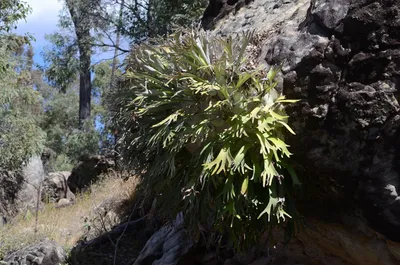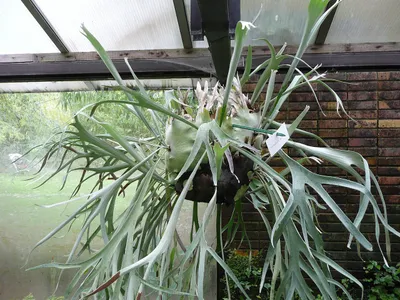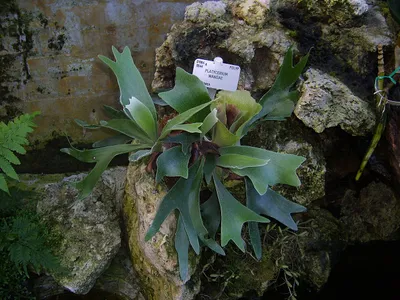
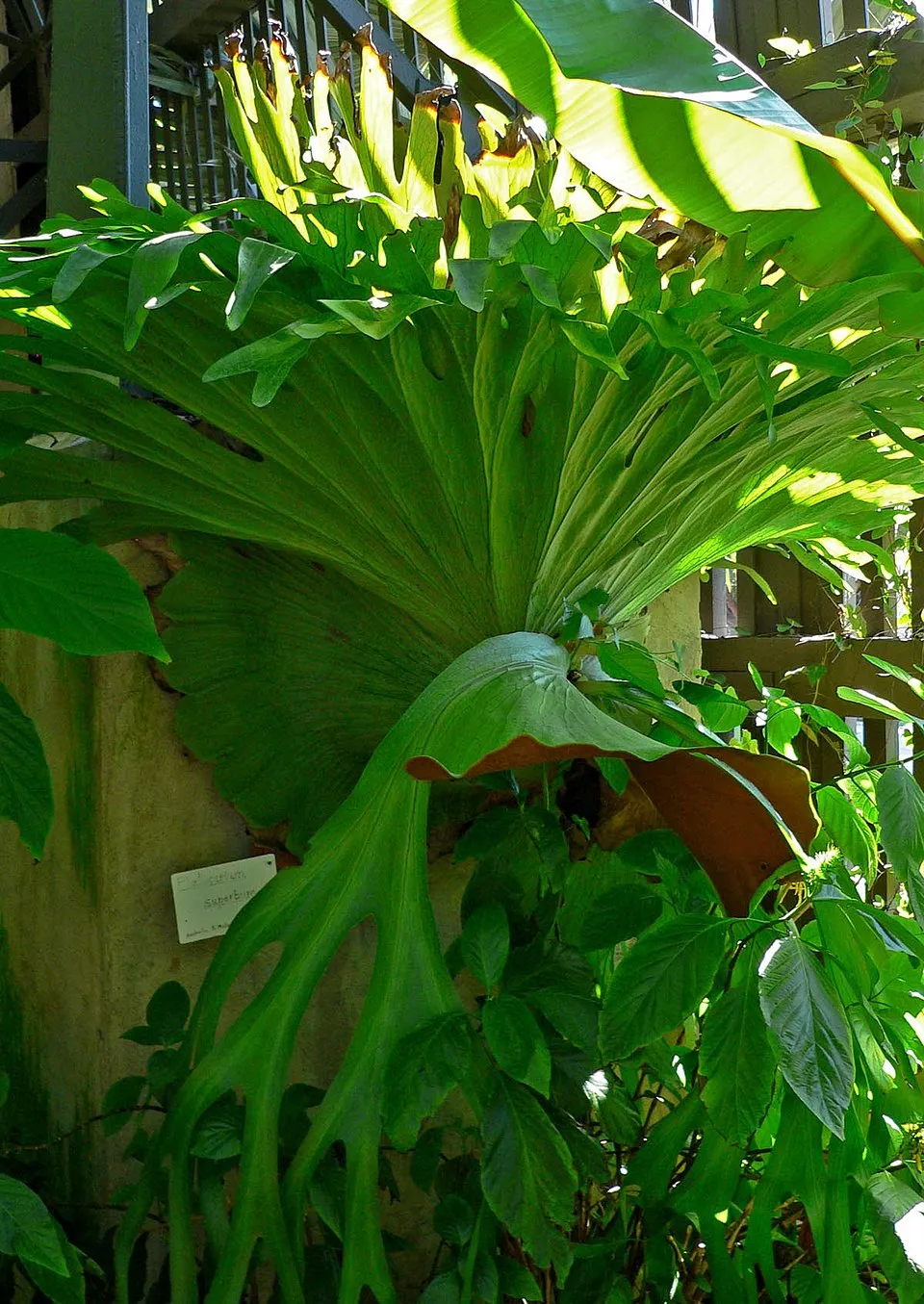
Staghorn ferns are living sculpture. With their dramatic antler-shaped fronds and alien-looking shield fronds, a well-displayed Platycerium can become the centerpiece of any room. The trick is finding a display method that looks great and keeps your fern healthy.
Here are 10 creative ways to show off your staghorn fern — from beginner-friendly to full living-wall ambitions.
1. Classic Board Mount
The most popular display method for good reason. A staghorn fern mounted on a wooden board mimics its natural tree-trunk habitat while creating a striking piece of living wall art.
Best woods: Cedar (rot-resistant), oak (sturdy and handsome), reclaimed barn wood (rustic aesthetic)
How it works: Pack sphagnum moss behind the shield fronds, secure the fern to the board with fishing line or wire, and hang on the wall with a French cleat or sturdy hook.
For a complete step-by-step, see our mounting basics guide.
Best for: P. bifurcatum, P. hillii, and most medium-sized species
2. Driftwood Mount
Driftwood adds organic, sculptural character that pairs beautifully with the natural shapes of staghorn fronds. Each piece is unique, making every display one-of-a-kind.
Tips for driftwood mounting:
- Choose a piece with a flat-ish area large enough for the root ball
- Soak the driftwood in water for 24 hours before mounting to remove salt (if ocean-sourced) and help the moss adhere
- Attach with stainless steel wire — fishing line can slip on irregular surfaces
- Mount multiple small ferns on a single large piece for a colony effect
Best for: Living rooms, entryways, anywhere you want a conversation piece
3. Wire Hanging Basket
Wire baskets are the easiest way to display staghorn ferns if you’re not ready to commit to mounting. Line the basket with sphagnum moss, nestle the fern inside, and hang it from a ceiling hook or plant hanger.
| Wire Basket Size | Fern Size | Hanging Weight (wet) |
|---|---|---|
| 8” (20 cm) | Small pup | 2–3 lbs (1–1.5 kg) |
| 10” (25 cm) | Young fern | 4–6 lbs (2–3 kg) |
| 12” (30 cm) | Medium fern | 7–12 lbs (3–5 kg) |
| 14”+ (35+ cm) | Large specimen | 15–25+ lbs (7–11+ kg) |
[!IMPORTANT] Always use a ceiling hook rated for at least twice the wet weight of your basket. Staghorn ferns get surprisingly heavy after soaking.
Best for: Patios, covered porches, bright kitchens, and outdoor spaces in warm climates
4. Cork Bark Slab
Cork bark is lightweight, naturally rot-resistant, and has a textured surface that roots grip easily. It’s a favorite among collectors growing rare species like P. ridleyi that demand excellent drainage and airflow.
Why cork works so well:
- Weighs a fraction of solid wood (easier to hang)
- The rough surface gives roots immediate purchase
- Doesn’t trap moisture against the wall behind it
- Looks natural and understated
Display tip: Stack two cork slabs at different heights on the same wall for a gallery effect.
5. Moss Ball (Kokedama)
Kokedama is the Japanese art of wrapping a plant’s root ball in moss and displaying it as a hanging sphere. Staghorn ferns are perfect candidates — their natural growth habit practically begs to burst out of a moss ball.
How to make one:
- Soak a generous handful of long-fiber sphagnum moss
- Wrap the fern’s root ball completely in the wet moss, forming a tight sphere
- Wrap the outside with twine, fishing line, or dark cotton thread to hold the shape
- Attach a loop of fishing line at the top for hanging
Watering: Soak the entire ball in a bucket of water for 15–20 minutes whenever it feels light. Drain thoroughly before re-hanging.
Best for: Small to medium ferns, minimalist or Japanese-inspired interiors
6. Living Wall / Gallery Wall
Why stop at one? A cluster of mounted staghorn ferns on a single wall creates a dramatic living art gallery. Mix species for variety in frond shape and color.
Planning a staghorn wall:
| Element | Recommendation |
|---|---|
| Spacing | 30–45 cm between mounts |
| Layout | Asymmetric clusters look more natural than rigid grids |
| Species mix | Combine upright (P. superbum) with cascading (P. willinckii) species |
| Wall protection | Line the back of each mount with plastic sheeting to prevent moisture damage |
| Lighting | Install a track light or picture light above the arrangement |
Best for: Feature walls, large living rooms, commercial spaces, plant shops
7. Tree Trunk (Outdoor)
The most natural display of all — attaching your fern directly to a living tree. In USDA zones 9–12, P. bifurcatum and P. veitchii can live permanently on trees outdoors.
Best host trees: Oak, palm, mahogany, or any tree with rough, textured bark
How to attach: Wrap sphagnum moss around the root ball, press it against the trunk, and tie with biodegradable jute twine. The twine will decompose over 6–12 months — by then, the roots should have gripped the bark on their own.
Best for: Tropical and subtropical gardens, collectors who want to replicate natural habitat
8. Ceramic or Terracotta Pot
Not every staghorn needs to be mounted. Young ferns, freshly divided pups, and tabletop-sized plants do well in pots — as long as the potting mix drains freely.
Display tips:
- Choose a pot with drainage holes (terracotta is ideal — it breathes)
- Position the fern slightly off-center so the fronds cascade over the rim
- Place on a plant stand to elevate it and improve air circulation
Best for: Young ferns, desk or shelf displays, plant beginners
9. Antler-Shaped Wall Bracket
A playful nod to the fern’s common name — mount your staghorn on a wall bracket shaped like deer antlers or a hunting trophy plaque. Several specialty shops sell wooden plaques carved specifically for staghorn fern display.
DIY version: Cut a shield-shaped plaque from 3/4” plywood, round the edges, stain or paint it, and mount with a French cleat. The “trophy mount” look is especially popular in rustic, farmhouse, and mid-century modern interiors.
10. Bathroom Oasis
Bathrooms with natural light are the ultimate staghorn fern habitat. High humidity from daily showers, warm temperatures year-round, and typically soft, indirect light — it’s basically a miniature tropical rainforest.
Best bathroom placement:
- Wall opposite the shower (maximum humidity exposure)
- Above the bathtub (dramatic focal point)
- On a shelf near a window (for species needing more light)
Requirements: The bathroom must have a window or skylight. A windowless bathroom is too dark, even for shade-tolerant staghorns.
Choosing the Right Display for Your Space
| Your Situation | Best Display Method |
|---|---|
| Renting (can’t drill holes) | Hanging basket on a plant stand, potted on a shelf |
| Small apartment | Moss ball, single board mount, potted |
| Bright bathroom available | Wall mount, cork slab |
| Large living room wall | Living wall / gallery arrangement |
| Outdoor garden (warm climate) | Tree trunk, hanging basket |
| First staghorn fern | Hanging basket or pot (easiest to water) |
| Growing rare species | Cork bark slab (best drainage) |
General Display Rules
Whatever method you choose, keep these fundamentals in mind:
- Airflow matters. Don’t press the mount flat against a wall with no gap. Use spacers or a French cleat to allow air to circulate behind the fern
- Plan for watering. You’ll need to soak or spray this plant regularly. Choose a display you can easily take down — or water in place without damaging walls or floors
- Light first, aesthetics second. The most beautiful wall in your home might be the darkest. Always check the light before committing to a display spot
- Account for growth. A small P. bifurcatum pup today could be 3 feet wide in a few years. Leave room for the fern to expand
The best staghorn fern display is the one that makes you want to look at it every day — and keeps the plant thriving while you do.