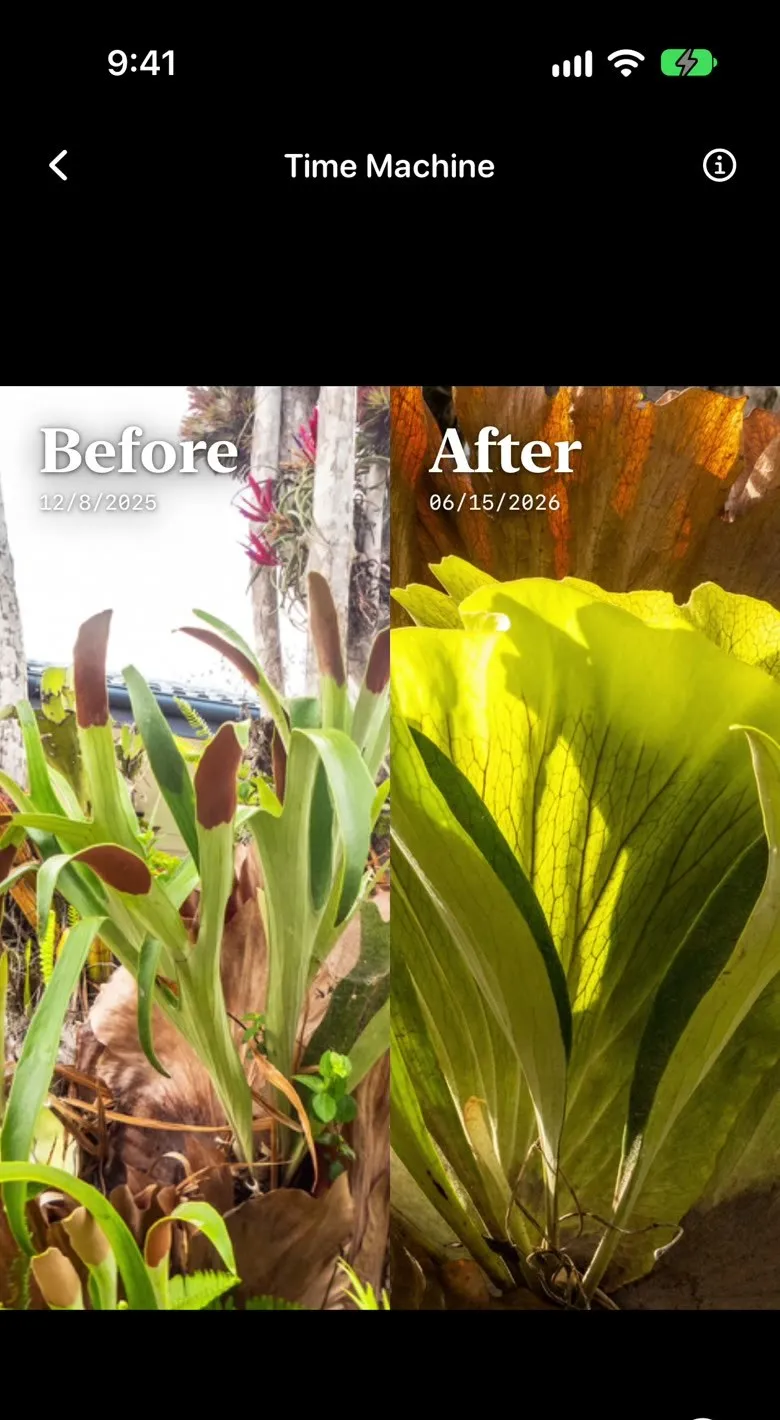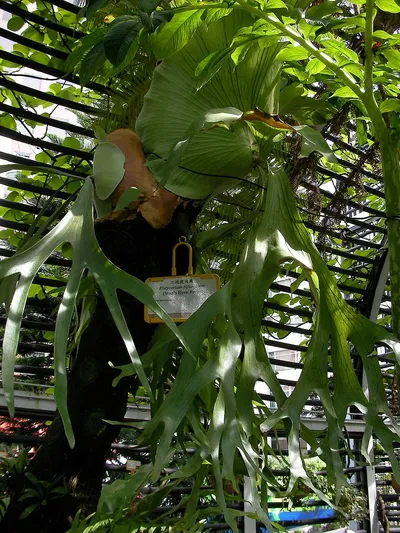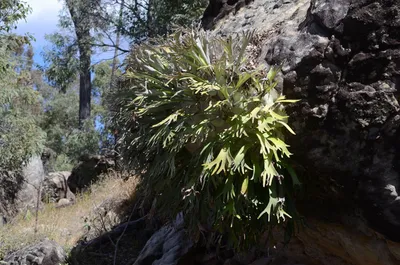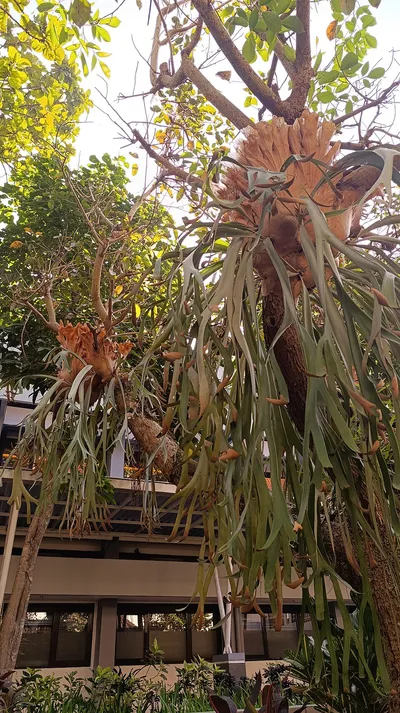
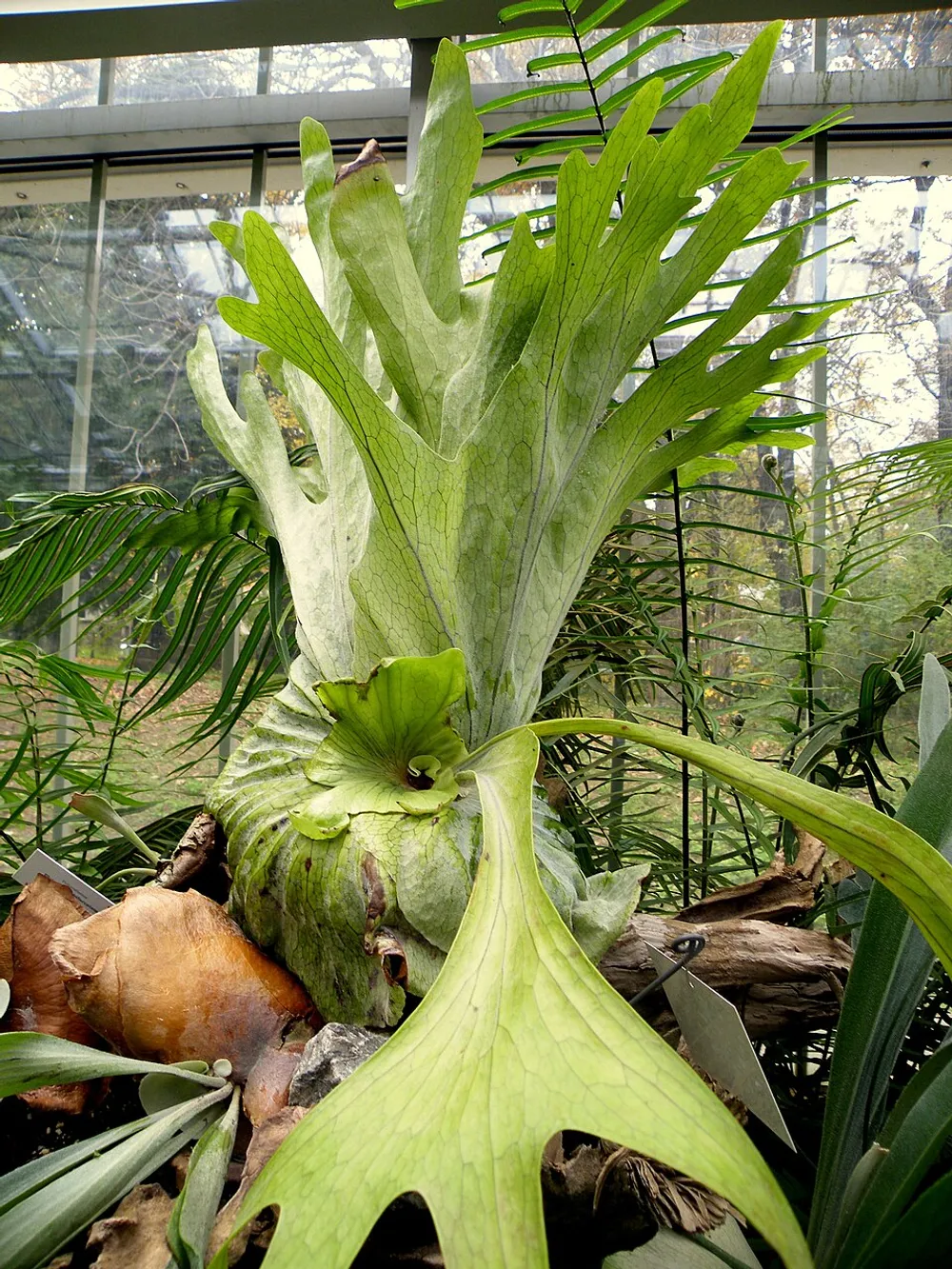
If your staghorn fern’s shield frond is turning brown, your first instinct is probably panic — it looks like the plant is rotting or dying from the base. Take a breath. In the overwhelming majority of cases, a browning shield frond is not just normal; it is exactly what the plant is supposed to do. This guide explains the difference between healthy shield-frond aging and the rare cases where brown really does mean trouble, plus what to do when new shields refuse to grow.
What Is a Shield Frond, Anyway?
A staghorn fern (Platycerium) grows two completely different kinds of leaves, and confusing them is the root of most shield-frond panic:
- Antler fronds — the forked, “staghorn”-shaped leaves that stick out and photosynthesize. These are the showpiece. When these brown or blacken, it usually is a problem.
- Shield fronds (also called basal or sterile fronds) — the round, flat leaves that clasp the mount or pot at the base. Their job is not to look pretty. They protect the rhizome, anchor the plant, and catch water and falling debris that decompose into nutrients.
Here is the key fact almost every panicked grower misses: shield fronds are designed to brown and die. A fresh shield emerges bright green, functions for a season or two, then browns, dries, and goes papery — while a new green shield grows over the top of it. Layer by layer, those old brown shields build the plant’s protective “basket.” So a brown shield frond is often a sign of a maturing, healthy fern, not a sick one.
Quick Diagnosis: Normal Aging vs. Real Problem
Match what you see to the table below before you do anything.
| What you see | What it means | Action |
|---|---|---|
| Outer/lower shield frond slowly browns, dries, goes crisp and papery | Natural aging — 100% normal | Do nothing; leave it in place |
| Brown shield, but a new green shield is growing over it | Healthy generational turnover | Do nothing |
| Shield turning brown and soft, wet, or mushy | Rot from overwatering | Stop watering, dry out, inspect |
| Shield or base turning black, sour smell | Advanced rot / bacterial issue | Urgent rescue needed |
| Fuzzy black or grey patches on the shield | Mold from stagnant, wet air | Improve airflow, reduce moisture |
| Newest, innermost shield browning before it matures | Stress, light, or watering problem | Review care (see below) |
The single most useful test: touch it. Healthy aged shield tissue is dry, firm, and paper-like. Problem tissue is wet, soft, spongy, or slimy. Dry brown = relax. Wet brown or black = act.
When Brown Shield Fronds Are Perfectly Normal
If your browning matches the top rows of the table — an older, outer shield slowly crisping from the edges inward while the plant otherwise looks healthy — there is nothing to fix. This is the same process that lets the fern build its natural mounting structure in the wild, clinging to tree trunks with layer upon layer of old shields.
New growers often make things worse here by “cleaning up” the brown. Please don’t. Peeling or cutting away brown shields exposes the delicate growing point (rhizome) underneath and removes the moisture-and-nutrient reservoir the plant relies on. Leave every shield in place, brown or green. For the same reason, resist the urge to pull a shield away from the mount to “check underneath” — you can tear the growing tissue.
[!IMPORTANT] Never cut, peel, or remove shield fronds, even fully brown ones. They protect the rhizome for the entire life of the plant. Removing them is one of the fastest ways to kill an otherwise healthy staghorn fern.
When a Brown Shield Frond Is a Problem
Brown only signals trouble when it comes with the wrong texture or color. Watch for these:
Soft, wet, or mushy brown
If the shield feels spongy and the base smells sour, water is sitting where it shouldn’t. Staghorns are epiphytes with tiny root systems, so a mount that stays soggy — especially in humid summer weather — invites rot. This is the same overwatering that causes antler fronds to yellow and can slide into full root rot. Stop watering, let the mount dry almost completely, and dial back your schedule using the lift-test in our watering guide.
Shield turning black
Black — as opposed to brown — is the color to take seriously. A shield frond turning black, especially if soft or foul-smelling, usually means advanced rot or a bacterial infection spreading from the roots. Move the plant somewhere warm and airy, cut way back on water, and inspect the roots; if they’re black and slimy, you’re into rescue territory.
Fuzzy black or grey mold
Fuzzy patches (rather than the tissue itself darkening) are surface mold, a symptom of too much moisture and too little airflow. Common on ferns kept in enclosed or poorly ventilated spots. The fix is ventilation, not fungicide: move the plant somewhere with gentle air movement and let it dry between waterings. Good humidity practice is about moving humid air, not trapping it.
Why Your Staghorn Isn’t Growing New Shield Fronds
The flip side of shield-frond worry is the opposite complaint: “staghorn fern not growing shield frond” or “no shield frond at all.” A staghorn that keeps its shields but never pushes a fresh green one is telling you it’s just holding steady, not thriving. Three usual causes:
- Not enough light. Shield production is energy-hungry. In dim light the plant prioritizes survival over new growth. Give it bright indirect light — an east window or a few feet back from a south/west one. See our light requirements guide.
- No feeding. Shields are built from nutrients the plant collects. Months without fertilizer means no raw material for new growth. Resume a diluted, balanced feed during the growing season — details in the fertilizer guide.
- Disturbance and stress. Staghorns pause shield production for a while after being remounted, repotted, moved, or shipped. If you recently mounted it, be patient — a fresh shield often signals the plant has finally settled in.
Shields also grow in flushes, typically once or twice a year rather than continuously, so a few quiet months is not cause for alarm. When conditions are right, a new pale-green shield emerges as a soft dome at the growing point and flattens out over a few weeks. That first new green shield is one of the most reassuring sights in staghorn keeping — it means everything underneath is healthy.
The Bottom Line
A staghorn fern shield frond turning brown is, nine times out of ten, a healthy plant doing exactly what it evolved to do. Judge by texture and color, not just the word “brown”: dry and papery is normal and should be left alone, while wet, mushy, or black tissue is the real warning sign. Keep every shield on the plant, give it bright indirect light and regular feeding, and let the fern build its living armor one brown layer at a time.
If the browning is not confined to the shield — or you are looking at a plant that seems dead all over and want to know whether it can still be saved — work through the staghorn fern problem chart, which sorts every symptom by where on the plant it appears and includes the alive-or-dead crown test.
For a broader look at how these two frond types develop, the Wisconsin Horticulture Extension and the New York Botanical Garden’s Platycerium guide are excellent, well-sourced references. And if you’re growing the common Platycerium bifurcatum, its shields are especially forgiving — a great species to learn this rhythm on.