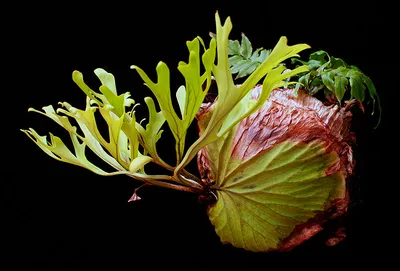
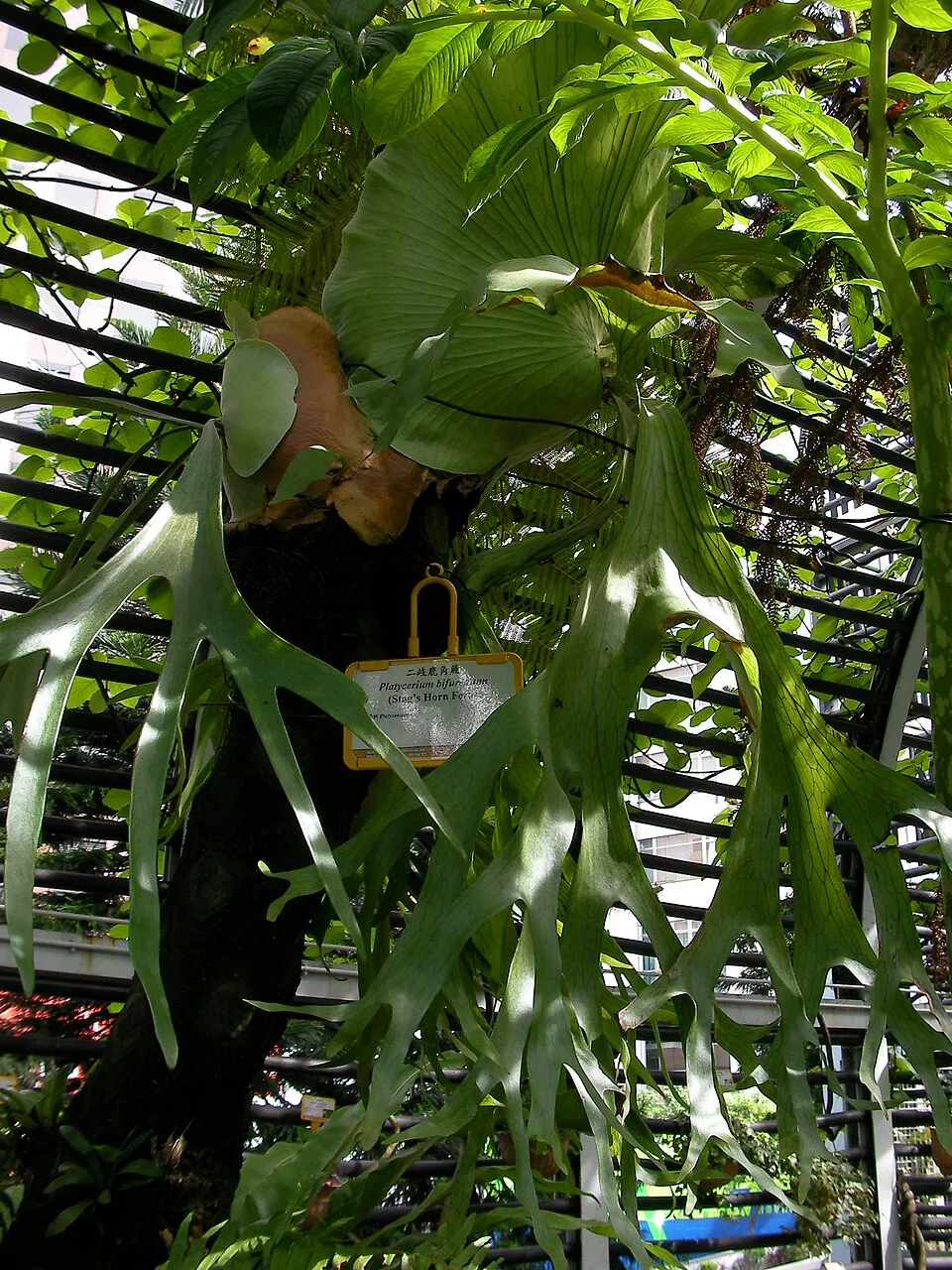
Winter is over, and your staghorn fern knows it. As daylight hours increase and temperatures climb, Platycerium exits its semi-dormant state and shifts into active growth mode. This transition period — roughly March through May — is the most important care window of the year.
Get spring care right, and your fern will reward you with vigorous new fronds all summer. Get it wrong, and you’ll spend the growing season trying to fix problems that started in these critical weeks.
Signs Your Fern Is Waking Up
Before you change anything, look for these signals that your staghorn fern is ready to grow:
| Signal | What it looks like | What to do |
|---|---|---|
| New shield frond | A pale green, tightly curled leaf emerging at the base | Time to resume fertilizing |
| Crown nub | A small green bump at the center growing point | Growth is imminent — increase watering slightly |
| Lighter frond color | Existing fronds look slightly brighter green | The plant is photosynthesizing more actively |
| Root tips visible | White or green root tips poking through the moss | Healthy and growing — don’t disturb |
If you don’t see any of these signs yet, be patient. Tropical species like P. ridleyi and P. coronarium may wake up later than cold-hardy species like P. bifurcatum. Don’t force growth with extra water or fertilizer — that causes more harm than good.
Spring Care Checklist
1. Gradually Increase Watering
During winter, you likely reduced watering by 50%. Don’t snap back to a summer schedule overnight — ramp up gradually over 2-3 weeks.
Week 1-2: Water when the mount feels light (continue using the weight test), but check more frequently — every 5-7 days instead of every 14-21
Week 3+: Settle into your spring/summer rhythm. Most mounted ferns need soaking every 7-10 days once active growth begins, but this varies by humidity, airflow, and substrate.
2. Resume Fertilizing
This is the single most impactful spring action. After months of dormancy, your fern is hungry.
- When to start: At the first sign of new growth (not by calendar date)
- What to use: Balanced liquid fertilizer (20-20-20) diluted to half-strength
- How often: Every 2-4 weeks during the growing season (April through September)
- Method: Add to the soaking water, or mist directly onto the fronds and moss
For detailed fertilizer options and DIY recipes, see our complete fertilizer guide.
[!IMPORTANT] Don’t fertilize a fern that hasn’t shown new growth yet. If the plant is still dormant, fertilizer salts accumulate in the moss without being absorbed, potentially burning roots when growth does resume.
3. Inspect and Clean
Spring is housekeeping time. After months indoors, your fern has accumulated dust, dead frond material, and possibly pests.
Spring inspection tasks:
- Wipe fronds gently with a damp cloth to remove dust. Clean fronds photosynthesize more efficiently — a 2026 UMN Extension study on spring houseplant care emphasizes that a winter’s worth of dust can meaningfully reduce light absorption
- Check for pests. Lift the shield fronds and inspect along frond midribs. Scale, mealybugs, and spider mites are the usual suspects. See our pest control guide for treatment
- Remove dead fronds. Brown, fully dried fertile fronds can be trimmed at the base. Never remove brown shield fronds — even dead ones protect the root ball
4. Evaluate Light and Reposition
Spring sunlight is significantly stronger than winter’s. If you moved your fern closer to a window for winter, watch for signs of too much direct light:
- Pale or bleached fronds — sunburn from direct afternoon sun
- Crispy brown edges — too much light combined with low humidity
Ideal spring positioning: bright indirect light, 1-2 meters from an east or north-facing window, or set back from south/west windows. If you supplemented with a grow light through winter, you can likely turn it off or reduce hours as natural daylight extends.
5. Repot or Remount (If Needed)
Spring is the only good time to repot or remount a staghorn fern. The plant is entering its strongest growth phase and can recover from root disturbance quickly.
Repot if you see:
- Moss that has turned dark, crumbly, and no longer absorbs water (decomposed after 1-2 years)
- Roots circling inside a pot with nowhere to go
- The fern wobbling or leaning on its mount
How to remount:
- Soak the fern for 20 minutes to loosen old moss
- Gently remove decomposed moss from the root ball
- Trim any black, mushy roots with sterilized scissors
- Pack fresh long-fiber sphagnum moss behind the shield fronds
- Secure to the new mount with fishing line or wire
- Water lightly and keep in shade for 1 week to reduce transplant stress
Don’t repot just because it’s spring. If the moss is still firm and absorptive and the plant looks healthy, leave it alone. Unnecessary disturbance sets growth back.
Transitioning Outdoor Ferns
If you brought your staghorn fern inside for winter, spring is when it goes back out. But timing and acclimation are critical.
When to Move Outside
| Species | Move outside when nighttime temps stay above… |
|---|---|
| P. bifurcatum, P. veitchii | 40°F (4°C) |
| P. hillii, P. superbum | 45°F (7°C) |
| P. willinckii, P. elephantotis | 55°F (13°C) |
| P. ridleyi, P. coronarium | 60°F (15°C) |
Acclimation Protocol
Do NOT move a fern from indoors to full outdoor conditions in one step. The sudden change in light, temperature, and humidity can shock the plant.
- Days 1-3: Place in full shade outdoors (covered porch, under dense tree canopy)
- Days 4-7: Move to dappled light (under a tree with filtered sun)
- Days 8-10: Settle into its final position — bright indirect light or morning sun with afternoon shade
- Monitor closely for the first 2 weeks. Watch for sunburn (pale spots), wilting (too much wind), or dehydration (may need more frequent watering than indoors)
What’s New This Spring: The Collectible Fern Movement
If you’re thinking about expanding your collection this spring, you’re not alone. The Garden Media Group’s 2026 trends report identifies rare houseplants as the year’s hottest collectible category — part of a broader “personal plant museum” movement where collectors curate unique specimens the way others collect art or vintage objects.
Staghorn ferns fit this trend perfectly. With 18 recognized species ranging from the beginner-friendly P. bifurcatum to the ultra-rare P. wandae, there’s always a next-level species to pursue. Spring is the best time to buy new additions — plants are actively growing, so they establish faster and show you their true form within weeks.
Check our species guide to find your next obsession.
Month-by-Month Spring Timeline
| Month | Key Actions |
|---|---|
| March | Watch for new growth signals. Resume watering frequency. Clean fronds. Inspect for pests. Order fresh sphagnum moss if remounting is needed |
| April | Begin fertilizing at half-strength. Repot/remount if needed. Start outdoor acclimation in warm climates (zones 10+) |
| May | Full fertilizer schedule. Move outdoor ferns out (zones 7-9). Divide and propagate pups from vigorous parent plants |
Spring care isn’t complicated — it’s about timing. Match your actions to what the plant is telling you, and your staghorn fern will enter summer with the momentum it needs for its best growth year yet.