Most staghorn fern problems trace back to four causes: water sitting at the crown, dry air, too much direct sun, or pests. The fastest way to tell them apart is where on the plant the damage shows up — tips, base, or whole leaf. Use the chart below to match your symptom, then follow the link to the detailed fix.
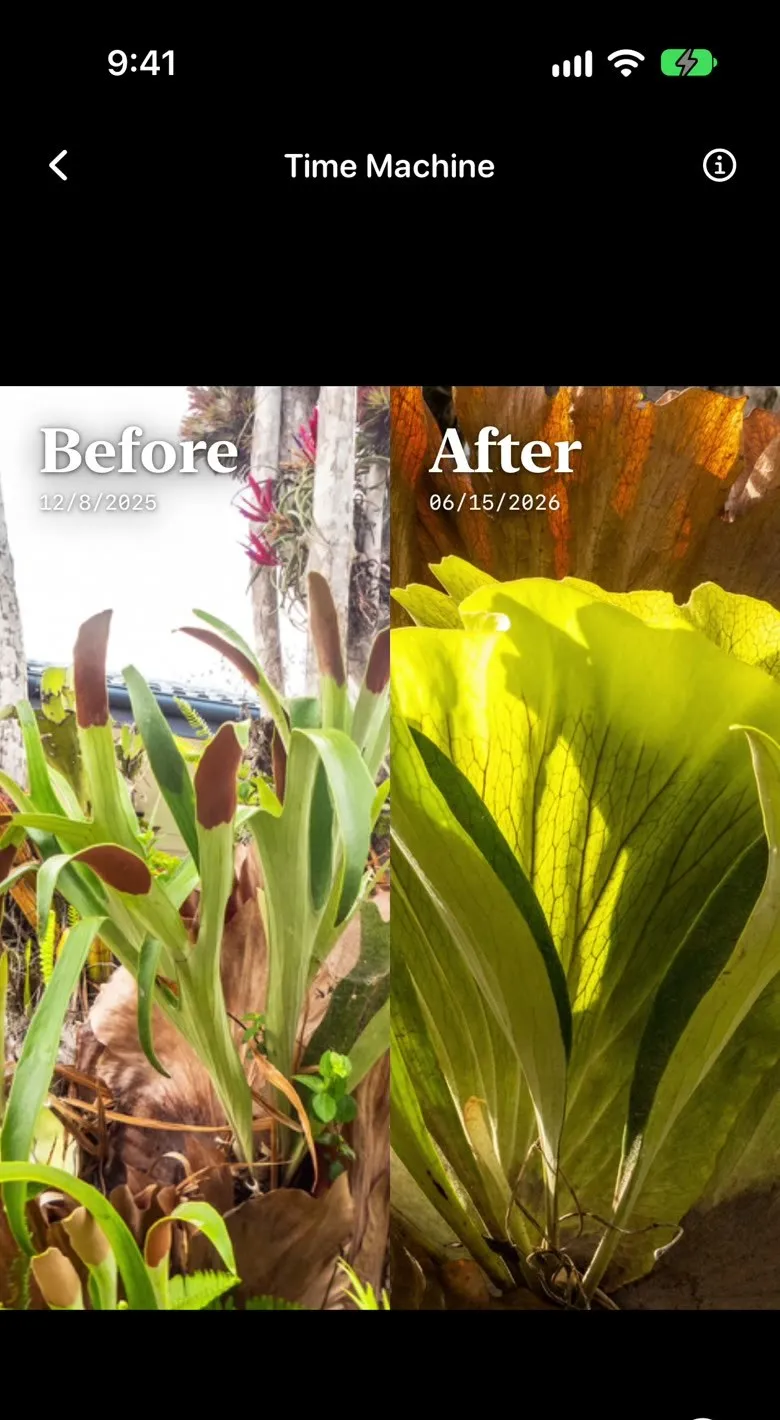
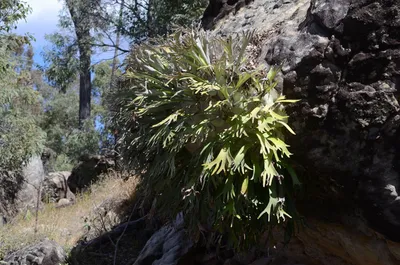
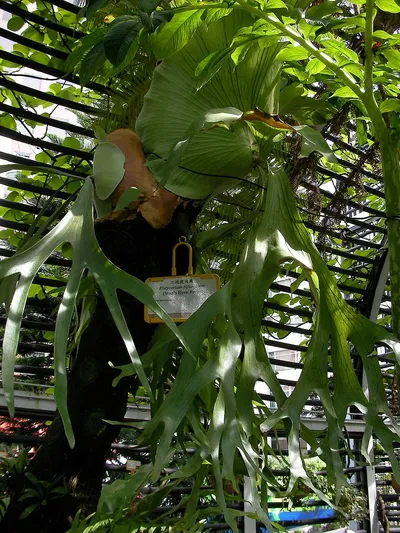
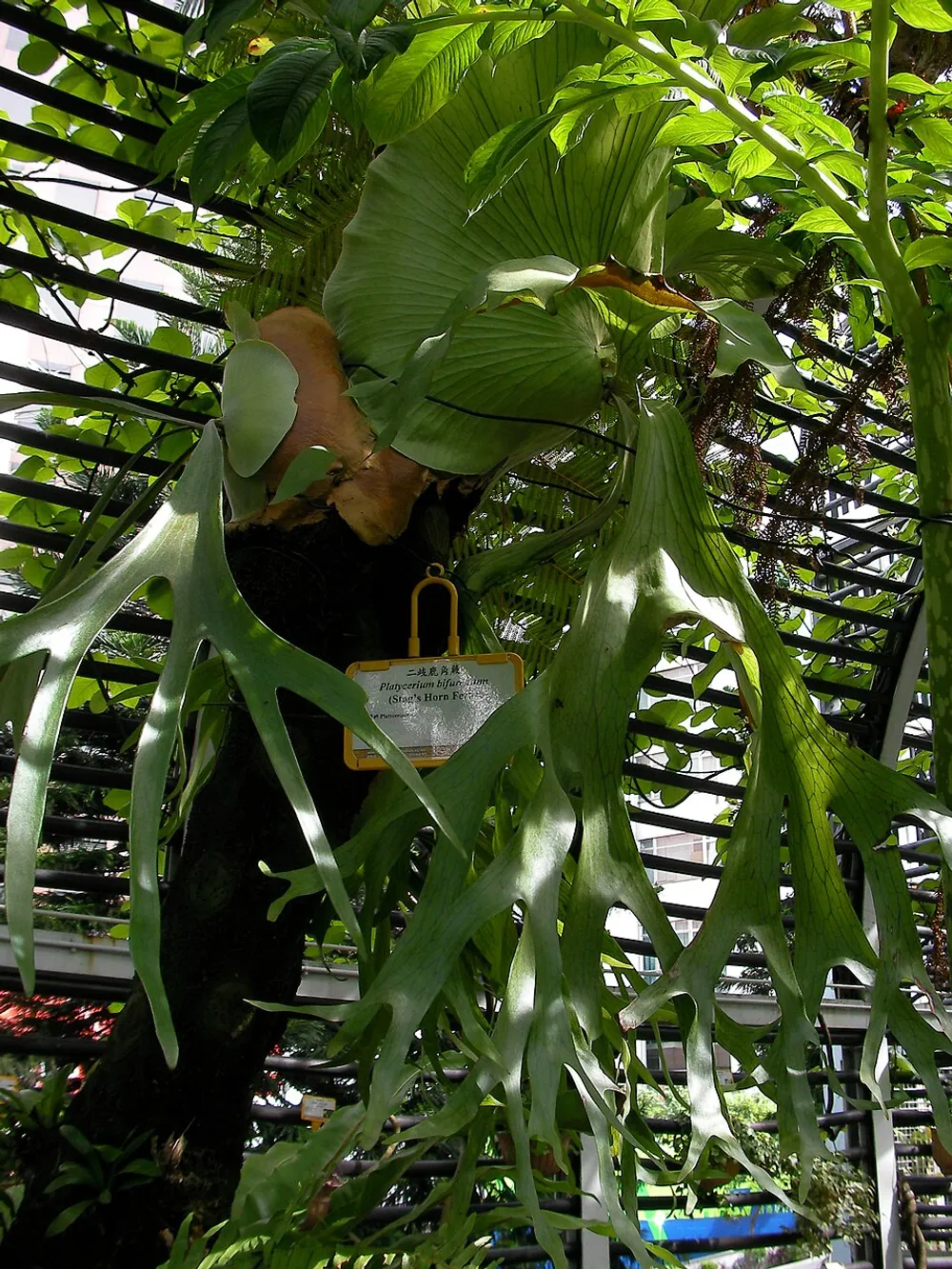
One note on vocabulary before you start: what most people call the “leaves” of a staghorn fern are botanically fronds, and this plant has two completely different kinds. The upright, forked, antler-shaped ones are fertile fronds — these are the ones that show most problems. The flat, round, overlapping one pressed against the mount is the shield frond, and it turns brown on purpose. Confusing the two is the single most common false alarm in this species.
Staghorn Fern Problem Chart: Match Your Symptom
| What you see | Most likely cause | What to do |
|---|---|---|
| Brown, crispy tips and edges | Humidity below 40% | Raise humidity; full guide |
| Whole leaves yellowing, starting low | Overwatering / poor drainage | Extend the watering interval; full guide |
| Flat round backing leaf turning brown | Normal maturation | Nothing — leave it in place |
| Soft, dark base or crown | Crown or root rot | Act immediately; full guide |
| Pale, bleached patches on sun-facing side | Sun scorch / heat stress | Move out of direct sun; full guide |
| Leaves drooping or limp | Underwatering, or root rot | Check board weight first; full guide |
| Small black spots, sometimes spreading | Fungal leaf spot | Improve airflow; full guide |
| White fuzzy patches or cottony clumps | Mealybugs, or normal leaf hairs | Identify first; full guide |
| Fine stippling, dull leaves, webbing | Spider mites | Spider mite treatment |
| Hard brown bumps along leaf veins | Scale insects | Scale treatment |
Staghorn Fern Leaves Turning Brown
Browning is the most-reported staghorn fern problem, and it has three distinct patterns that call for opposite responses.
Brown at the tips and edges, dry and crispy. This is low humidity, full stop. Staghorn ferns are epiphytes from humid forest canopies and want 50–70% relative humidity; most heated or air-conditioned homes sit at 30–40%. The damage is cosmetic and will not spread, but new leaves will keep browning until the air changes. See the humidity guide for the fixes that actually move the needle.
Brown starting at the base, soft rather than crispy. This is the dangerous one. Water that sits where the leaves meet the mount rots the crown from the inside. Squeeze the base gently — if it gives, stop watering entirely and read the root rot guide.
Wide tan or bleached patches, only on one side. Sun scorch. The affected side will face your brightest window or, outdoors, the afternoon sun.
[!IMPORTANT] Never cut off a brown shield frond. It is a structural organ — it holds the root ball against the mount and collects debris that feeds the plant. Removing it exposes the roots and sets the fern back months.
Staghorn Fern Leaves Turning Yellow
Yellowing behaves differently from browning: it usually affects whole leaves rather than edges, and it moves from the oldest leaves upward.
The overwhelming cause is too much water, too often — particularly on potted plants, where the medium stays wet far longer than a mounted board. A mounted staghorn fern needs roughly a soak every 7 days; a potted one every 10. If you are watering more often than that, that is your answer. Check the watering frequency guide and the signs of overwatering before changing anything else.
A distant second cause is insufficient light. A fern in a dim corner yellows slowly and evenly, and stops producing new leaves altogether — a useful tell, since overwatered plants often keep pushing weak new growth. The light requirements guide covers what “bright indirect” actually means in measurable terms.
Staghorn Fern Leaves Drooping, Curling, or Falling Off
Drooping is ambiguous because both extremes of watering produce it. Resolve it by weight, not by looking: lift the mount or pot. Light and dry means underwatered. Heavy and still limp means the roots have rotted and can no longer draw water — a plant with rotted roots looks thirsty precisely because it is, despite sitting in moisture.
Curling leaf edges usually accompany heat or dry air and often appear alongside brown tips. Leaves dropping off cleanly at the base, with no browning first, is nearly always advanced crown rot.
Late-Summer Heat and the Autumn Move Indoors
Late summer produces a spike in staghorn fern problems for a reason worth understanding, because the instinctive response makes it worse.
Homes develop what the horticulture press has taken to calling “hot pockets” — upstairs rooms, spots beside big sunny windows, and areas near appliances that run several degrees warmer than the rest of the house and form their own microclimates. A staghorn fern that was thriving in spring can start scorching in the same position in August without being moved at all.
The trap is that heat-stressed plants look thirsty — limp, drooping, dull — so people water more. But as Homes & Gardens noted this August, warm and soggy is the fastest route to root problems, and overwatering in heat is as risky as underwatering. The UConn Home & Garden Education Center lists discoloring foliage, wilting, and leaf scorch as the standard heat-stress triad — all three overlap almost exactly with the symptoms of overwatering, which is why August diagnoses go wrong so often.
The rule for hot months: move the plant before you water it more. Shade and airflow fix heat stress; extra water does not.
Spider mites also peak in hot, dry conditions, so a plant that suddenly looks dull and faintly speckled in midsummer deserves a close look at the leaf undersides before you assume it is a watering issue. The pest guide covers identification.
September and October produce a second, different spike — the one that generates most “my fern suddenly looks dead” reports. A plant that spent summer outdoors comes inside to roughly a tenth of the light it had, into heated air at 30–40% humidity, and reacts by dropping fertile fronds over the following weeks. That looks alarming and is usually just acclimation. Two rules make the transition survivable: bring the plant in before night temperatures drop below about 10 °C rather than after, and cut watering frequency as you move it, because a fern in dim indoor light uses far less water than the same fern did outside. Watering on the outdoor schedule indoors is the single most common way a healthy summer plant becomes a rotted autumn one. Inspect for pests before it comes inside, too — scale and mites travel in with the plant and spread fastest in still, heated air.
Problems That Show Up Indoors
Indoor plants fail differently from outdoor ones. Three patterns account for most indoor cases:
- Stagnant air. No airflow means water lingers in the crown and fungal spots spread. A small fan on low, several hours a day, prevents more problems than any spray.
- Winter heating. Radiators and forced air can drop humidity below 30%, producing brown tips on every new leaf.
- Light that is dimmer than it looks. Human eyes compensate for low light; ferns do not. A spot that feels bright three metres from a window is often too dark.
Outdoors, the same species faces the opposite risks — mainly sun scorch and, in cool climates, cold damage.
Is My Staghorn Fern Dead, or Is It Still Alive?
Ignore the leaves — a staghorn fern that looks dead usually is not. This species can shed every fertile frond it has and regrow from the crown, so a bare, brown, dead-looking plant is very often a living plant with no leaves left on it. The leaves are the last thing to check, not the first.
The alive-or-dead test takes three minutes. Find the growing point at the centre of the crown, where new fronds push out from behind the shield, and press it gently with a fingertip.
| What the crown feels like | Verdict | What to do next |
|---|---|---|
| Firm and green, even if every leaf is brown | Alive | Stop watering, improve airflow, wait — new fronds in 4–8 weeks |
| Firm and solid, but pale and doing nothing | Alive, dormant | Hold. Do not fertilise, do not repot |
| Soft, dark, or mushy; the base gives under pressure | Dead at the crown | Not recoverable — salvage the pups |
| Flat backing leaf brown and papery, crown firm underneath | Alive and completely normal | Nothing — shield fronds are supposed to go brown |
A dry, papery, crispy plant is far more likely to be alive than a soft, dark, wet one. Desiccation is survivable; rot at the growing point is not.
Can You Revive a Staghorn Fern?
Yes — provided the crown passed the test above. A staghorn fern with a firm growing point will come back even from total leaf loss, because the crown, not the foliage, is the living part of the plant.
What it cannot come back from is a mushy crown. Once rot reaches the growing point there is no bud left to push new fronds, and no amount of water, light, or fertiliser will change that. This is why the test matters before you spend a season nursing something.
How to Save a Dying Staghorn Fern
Work in this order. Most people get it wrong by starting at step four.
- Stop watering. Overwatering causes more staghorn fern deaths than everything else combined. If the mount is heavy, do not add water for at least two weeks.
- Get air moving. A small fan on low for a few hours a day dries the crown and stops fungal spread better than any spray.
- Move it out of direct sun. A stressed plant scorches at light levels it tolerated when healthy.
- Then wait. Do not fertilise a struggling fern and do not repot it — both add stress at the worst possible moment.
To save an overwatered staghorn fern specifically, unmount it if the base is soft, cut away black mushy tissue with a clean blade, let the root ball air-dry for a day, and remount in fresh, open medium. Full procedure in the root rot guide.
What to Do With Dead Leaves on a Staghorn Fern
Dead fertile fronds — the upright antler-shaped ones — can be cut off at the base once they are fully brown and dry. They will not recover, and removing them improves airflow.
Dead shield fronds — the flat round ones pressed against the mount — must be left alone. They look dead and are supposed to. They hold the root ball in place and feed the plant as they break down. Cutting them off is one of the most common ways growers set a healthy fern back by months.
When in doubt, leave it. A brown frond costs the plant nothing; a wrong cut costs it a season.
Prevention Beats Diagnosis
Most of the problems on this page come from four correctable habits: watering on a fixed calendar instead of by weight, mounting in a spot with no air movement, letting water sit in the crown, and never checking the undersides of leaves. Fix those and the diagnosis chart above stops being necessary.
If you are still unsure which species you are working with — care needs vary more than most guides admit — start with the species comparison guide or the P. bifurcatum profile, the species most commonly sold and most commonly asked about.